Expert perspectives on pharma manufacturing, compliance, AI automation, and digital transformation in life sciences.


Learn the common MHRA data integrity failures in pharma and how to prevent them. Improve compliance, ensure ALCOA+ principles, and stay audit-ready with best practices.

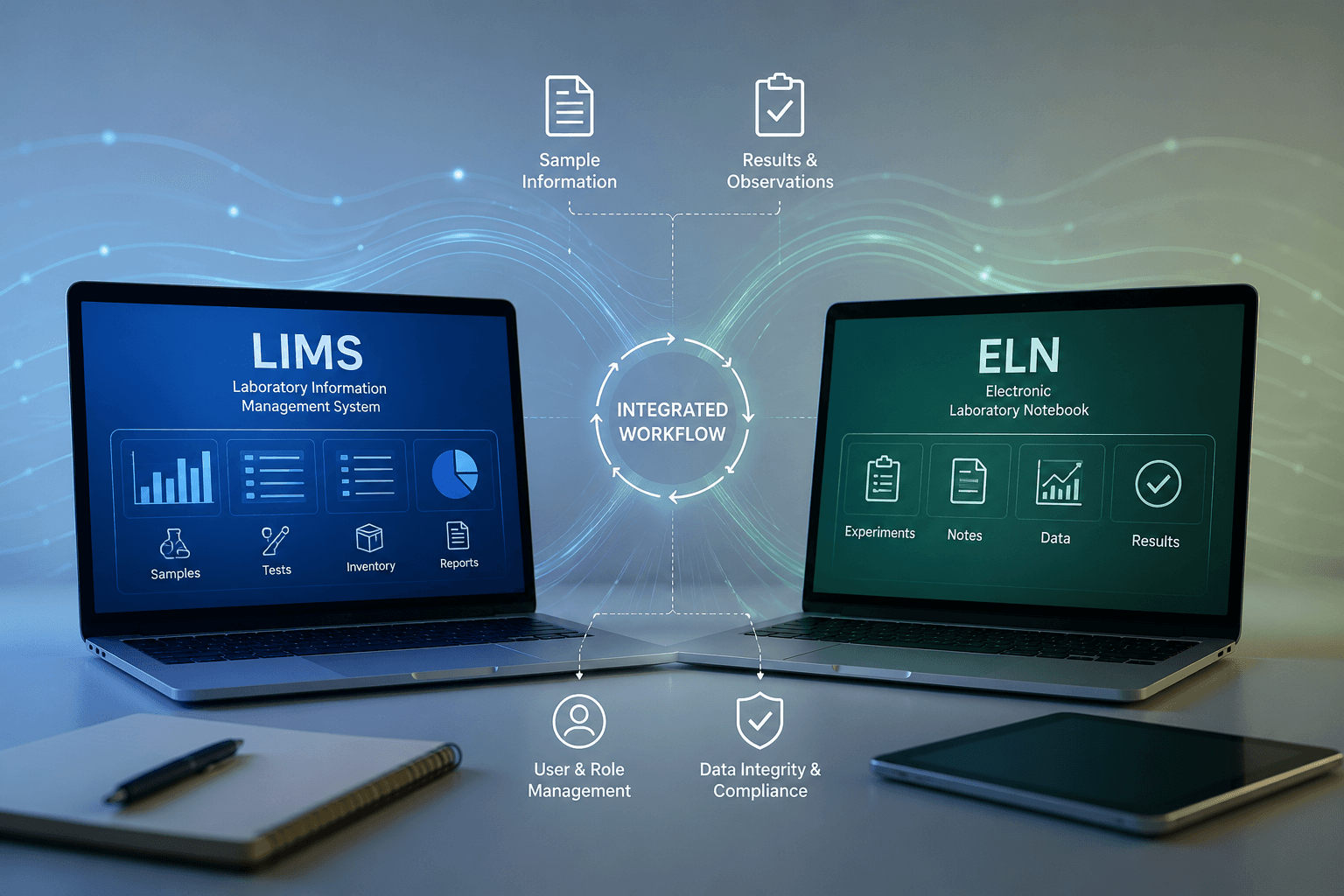
Discover how sterile LIMS differs from OSD LIMS in pharma. Compare workflows, compliance needs, and data management to choose the right solution.

Understand how human error impacts data integrity in pharma. Learn FDA compliance requirements, ALCOA+ principles, and proven strategies to prevent audit failures.

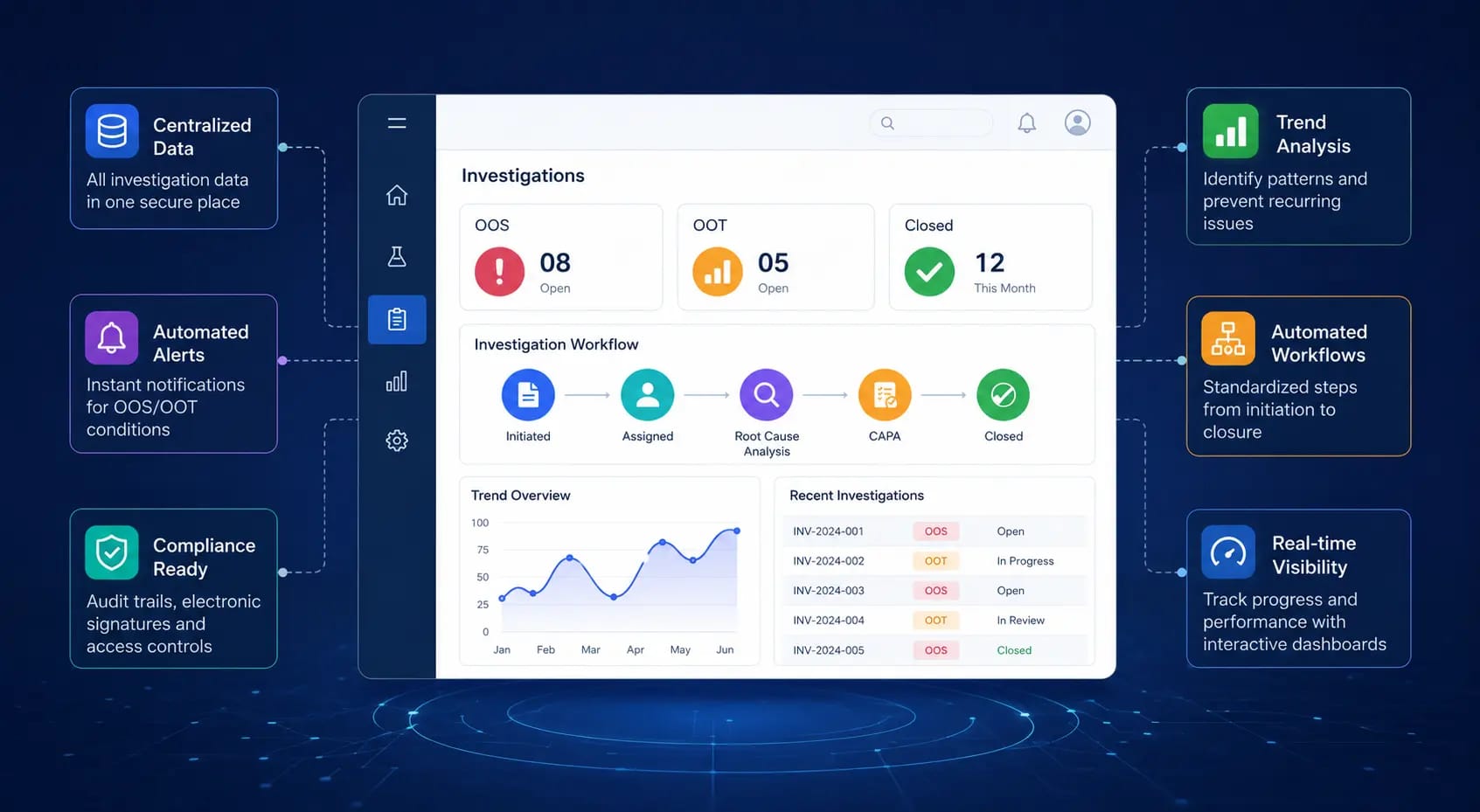
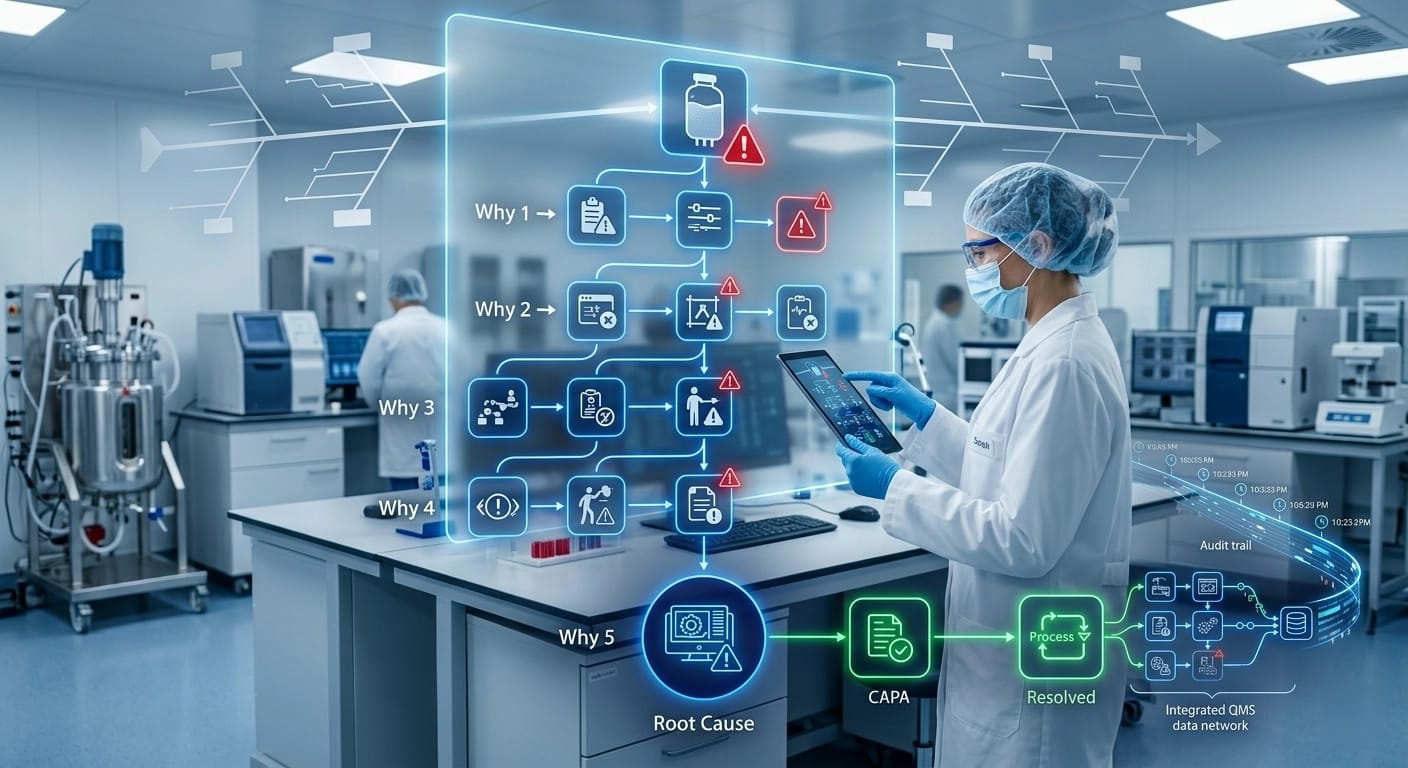
Learn how to investigate OOS (Out of Specification) results in analytical testing. Understand root cause analysis, FDA guidelines, and CAPA strategies for pharma compliance.


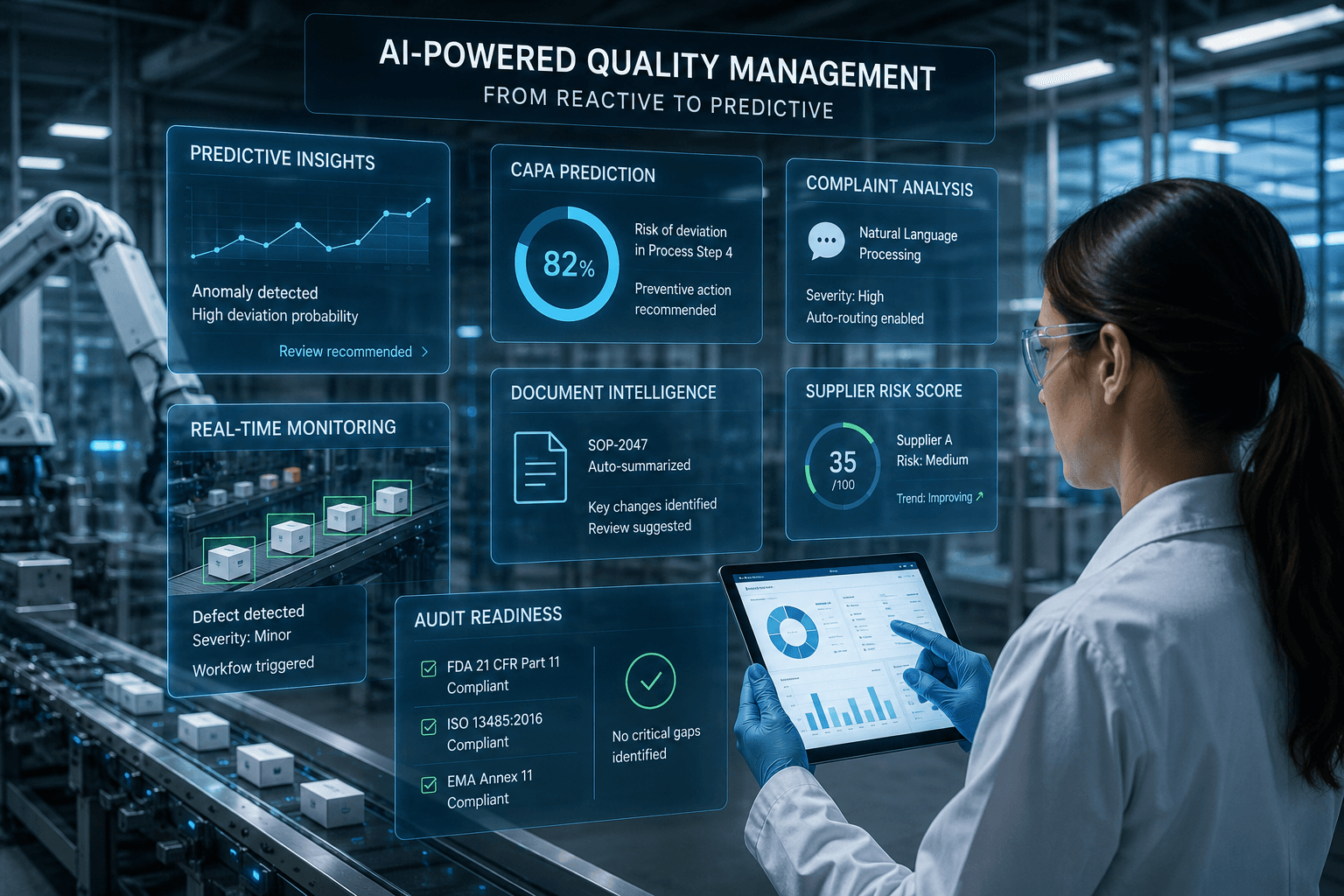
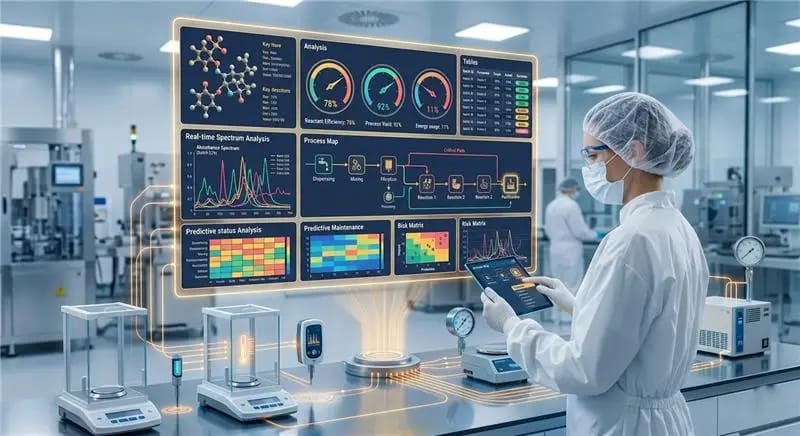
Explore how AI and no-code platforms are transforming pharma manufacturing with smarter quality control, predictive maintenance, and inspection-ready documentation.
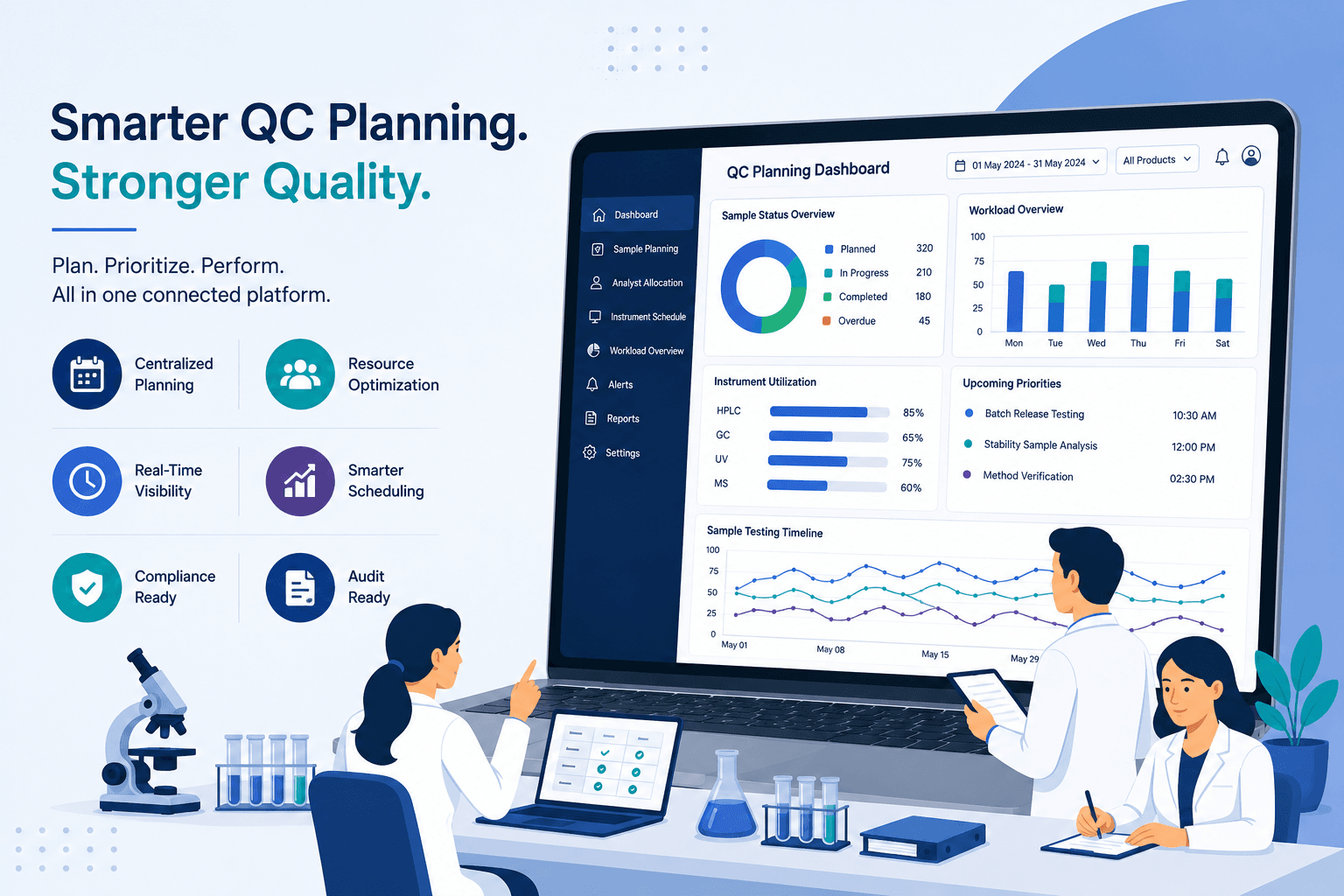
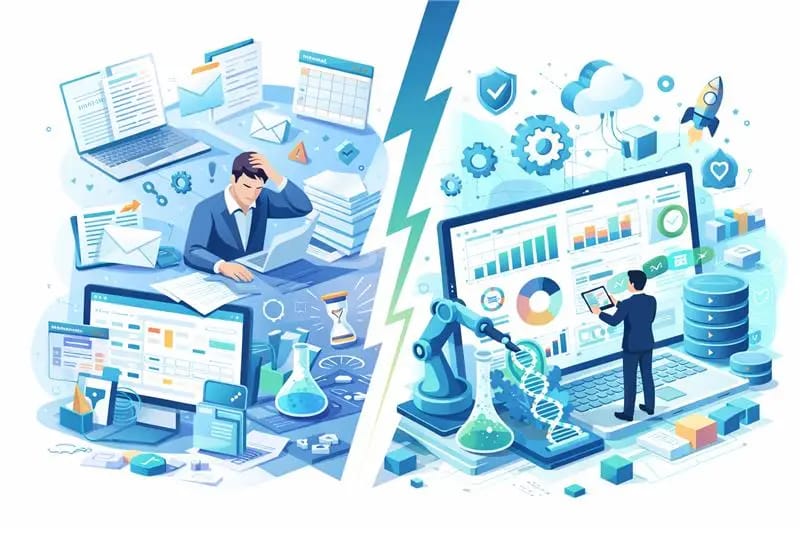
Discover the hidden operational debt pharma companies face by delaying low-code and AI adoption—and how AmpleLogic helps reduce it with GxP-compliant workflows.

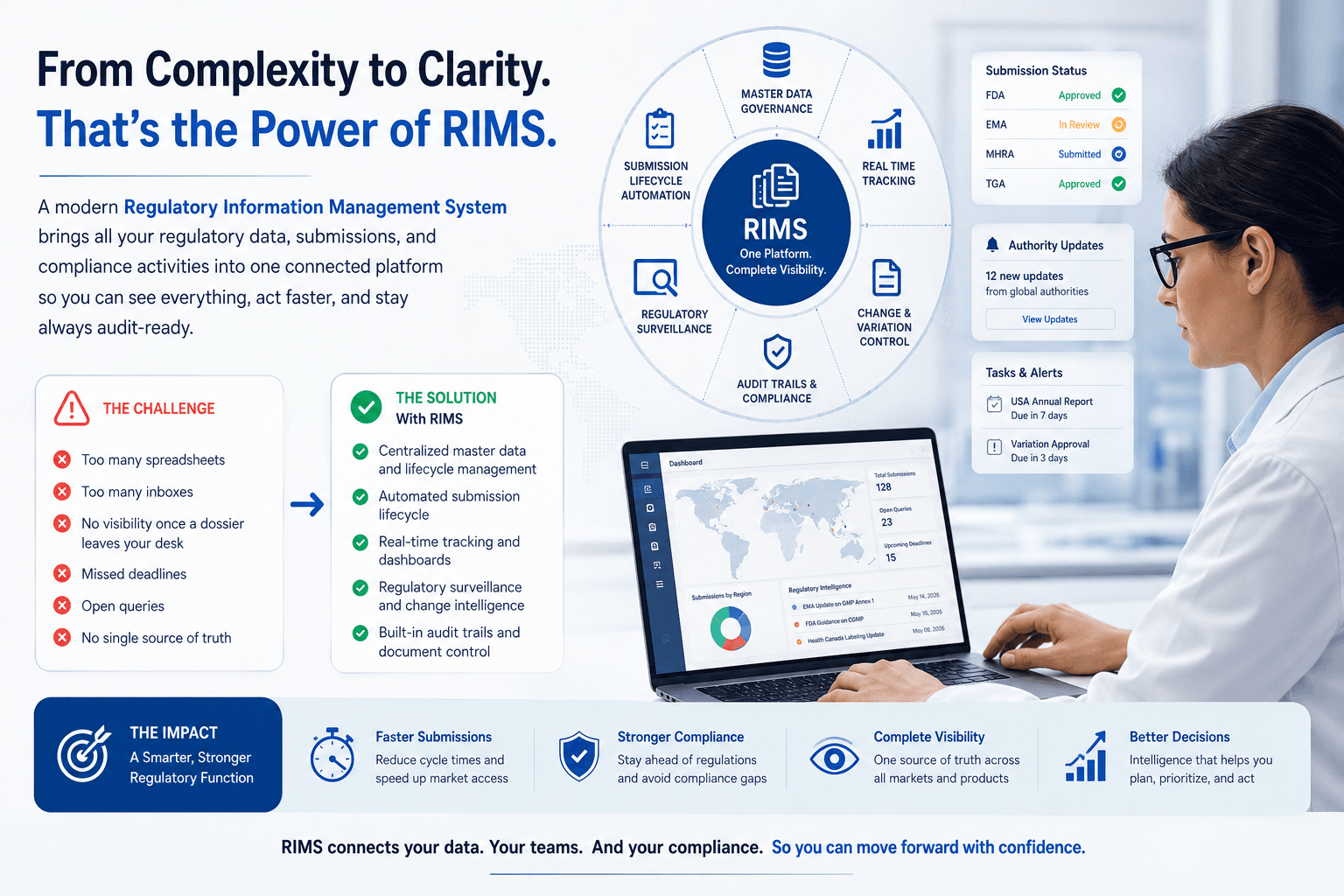
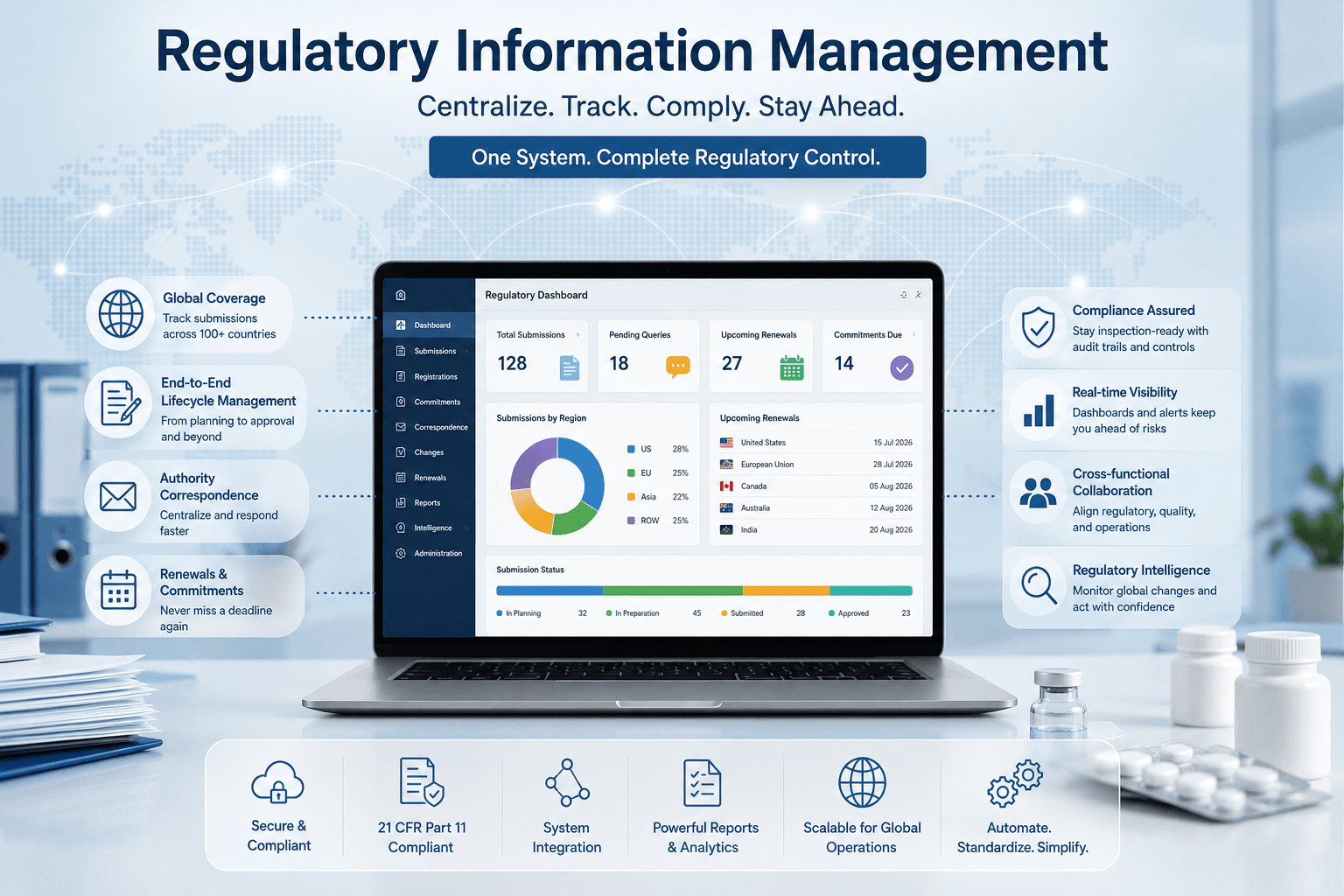
Learn why pharma regulatory teams need a RIMS solution to manage submissions, renewals, CMC updates, and global filings accurately with AmpleLogic RIMS.

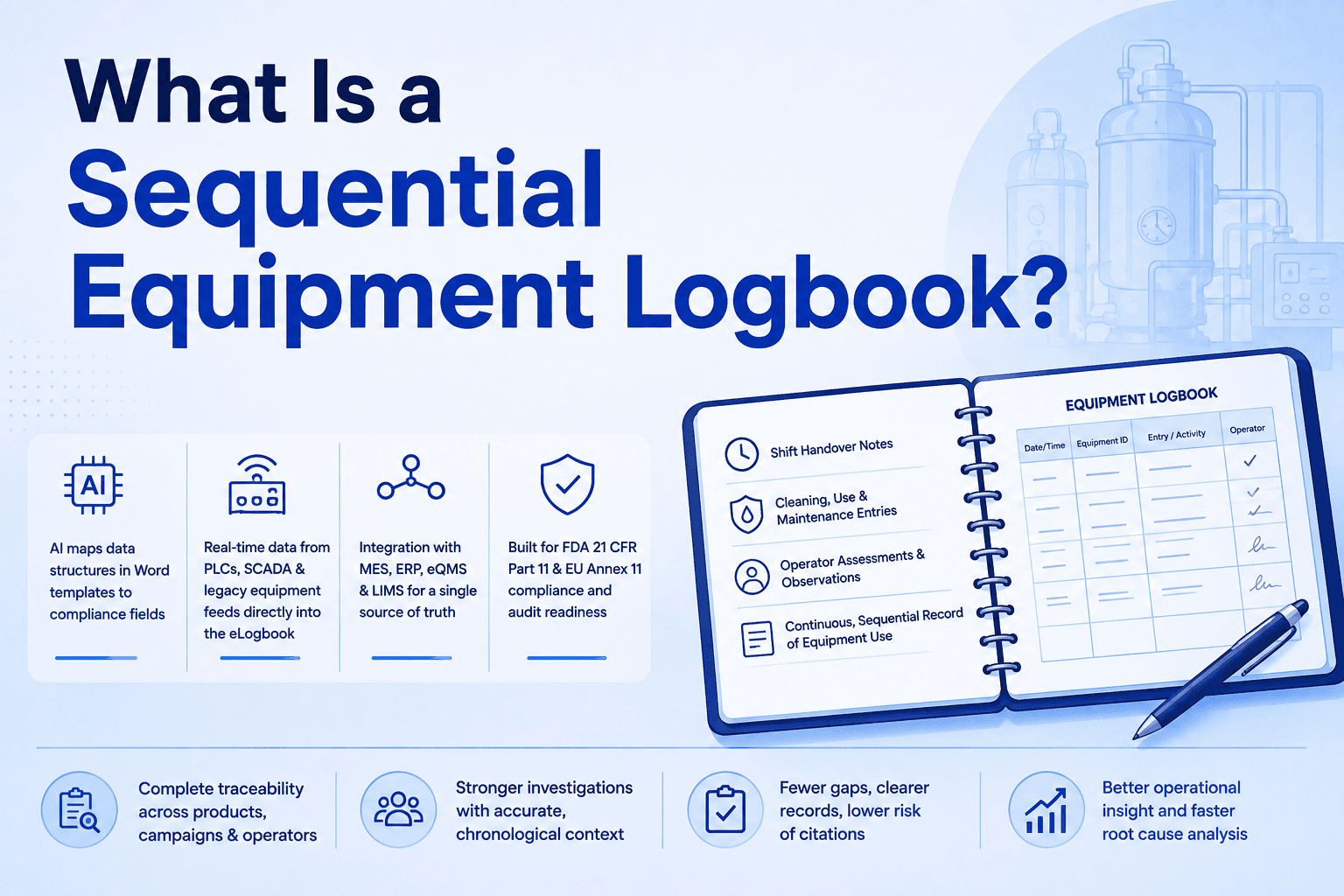
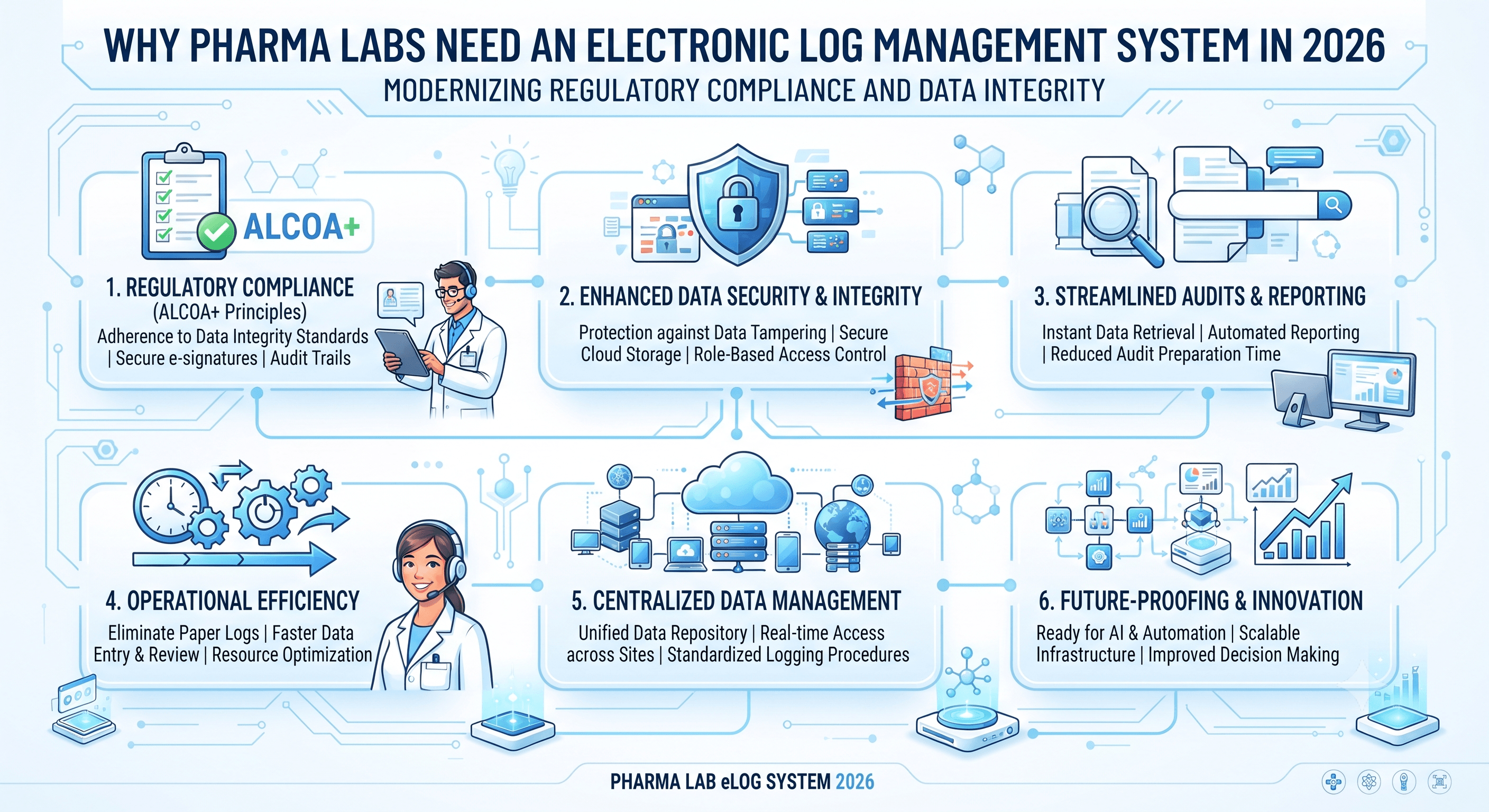
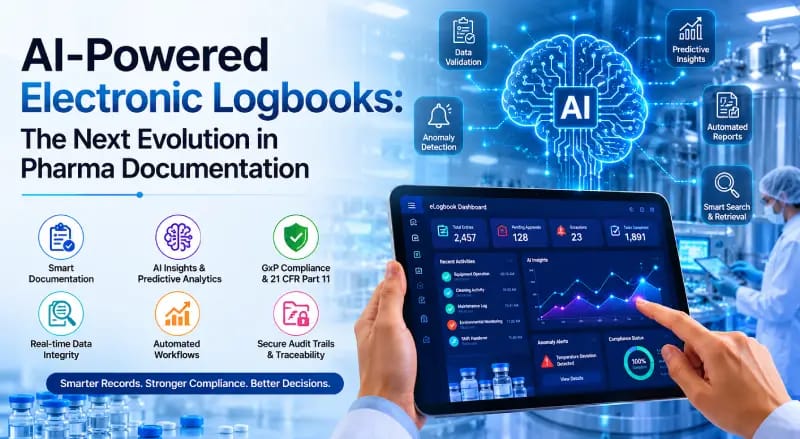
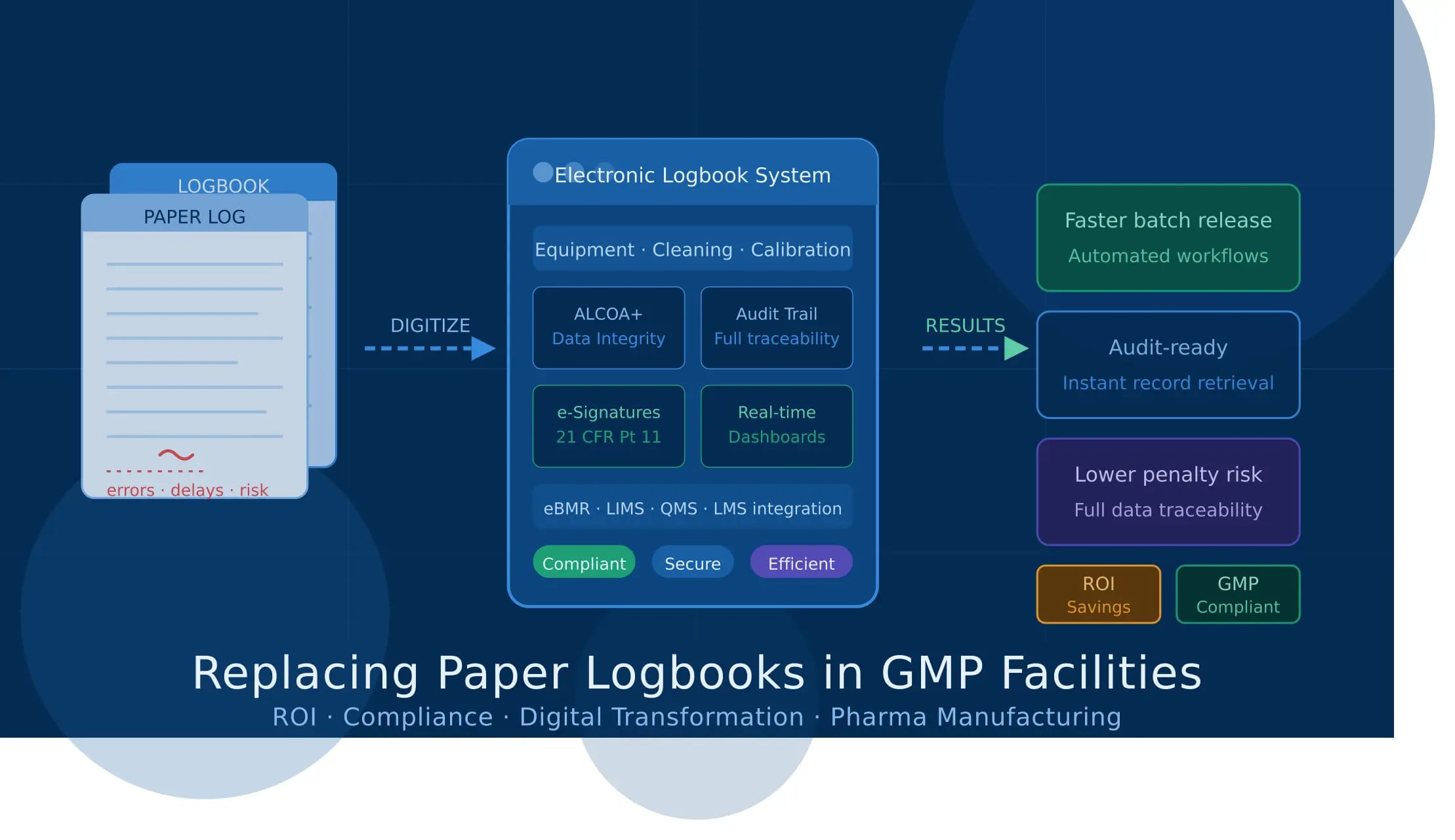
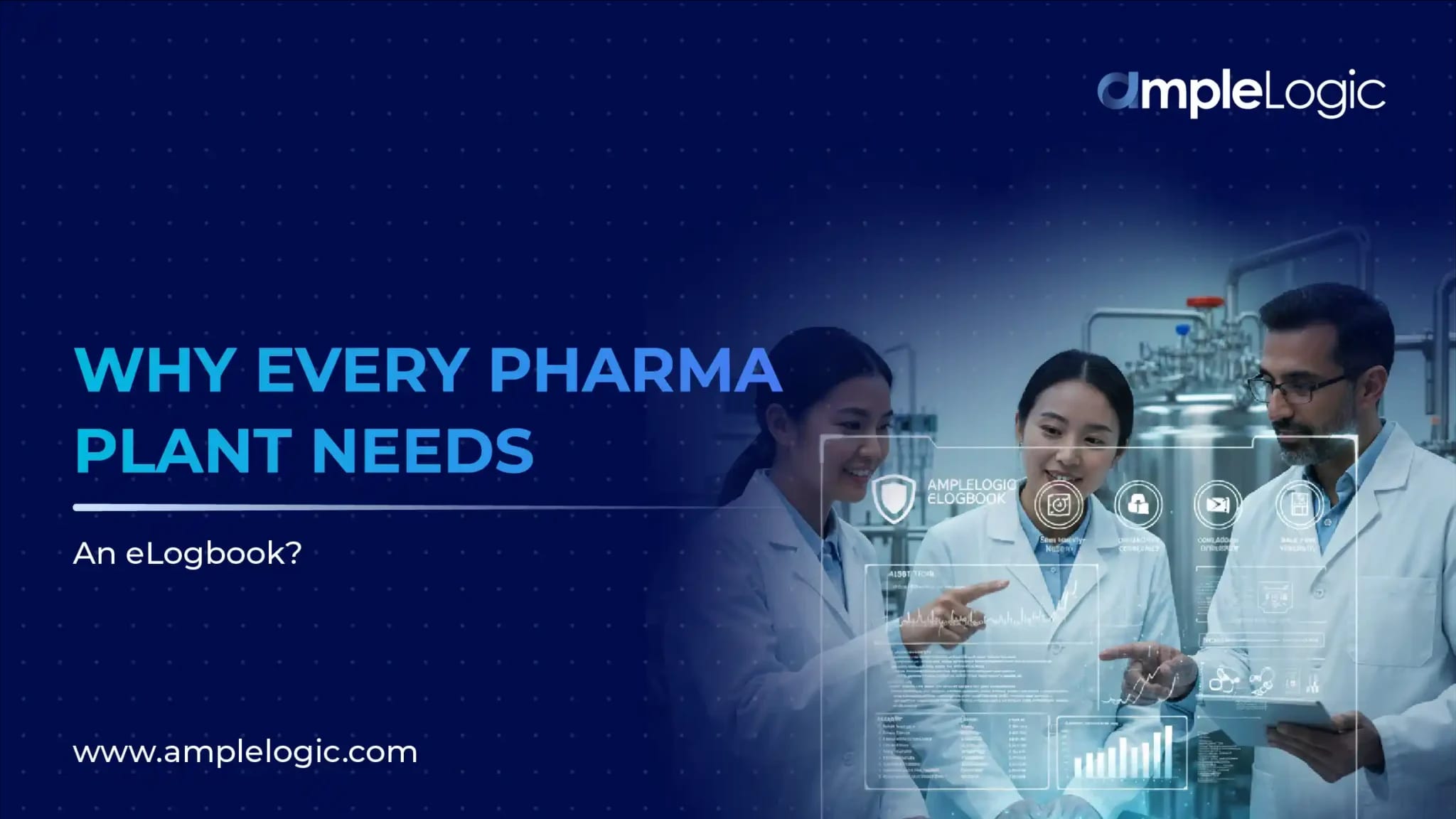
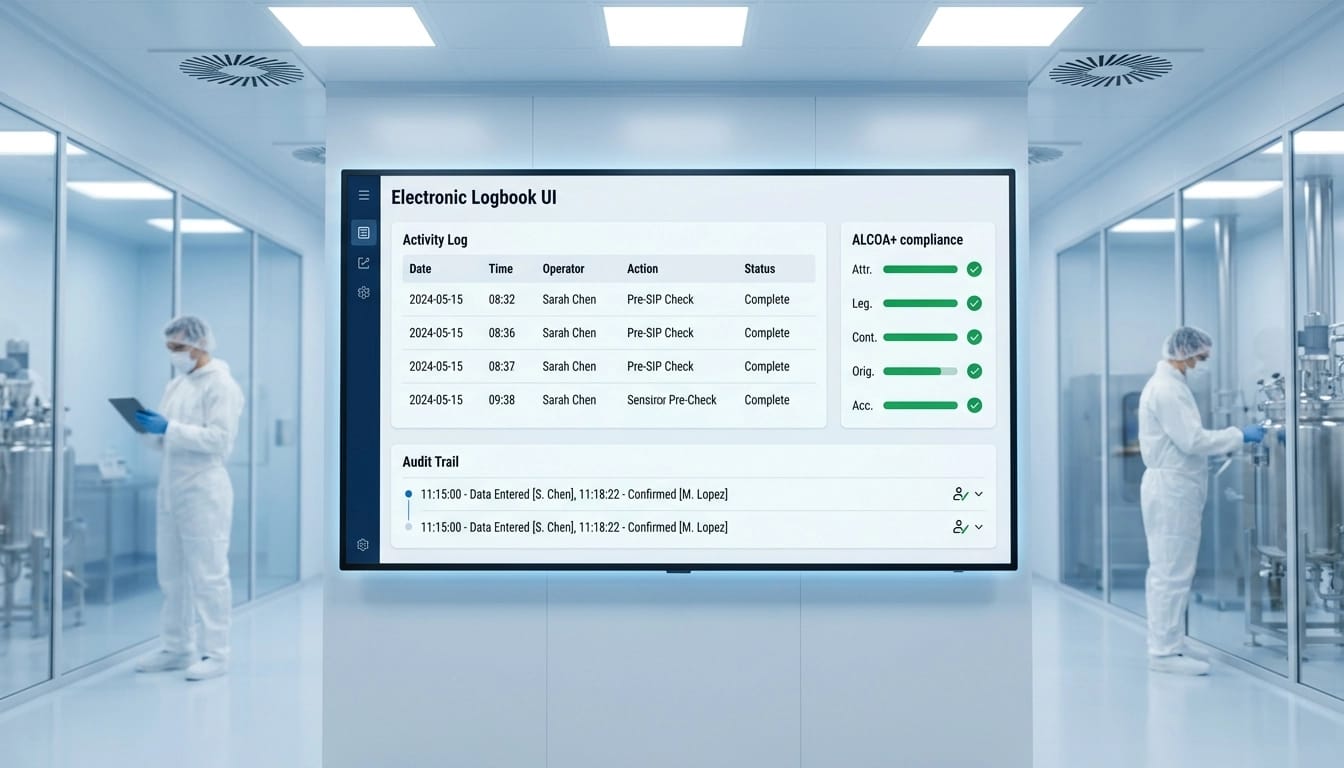
Discover why pharma plants need eLogbooks to ensure compliance, eliminate manual errors, and improve data integrity with AI-powered solutions.
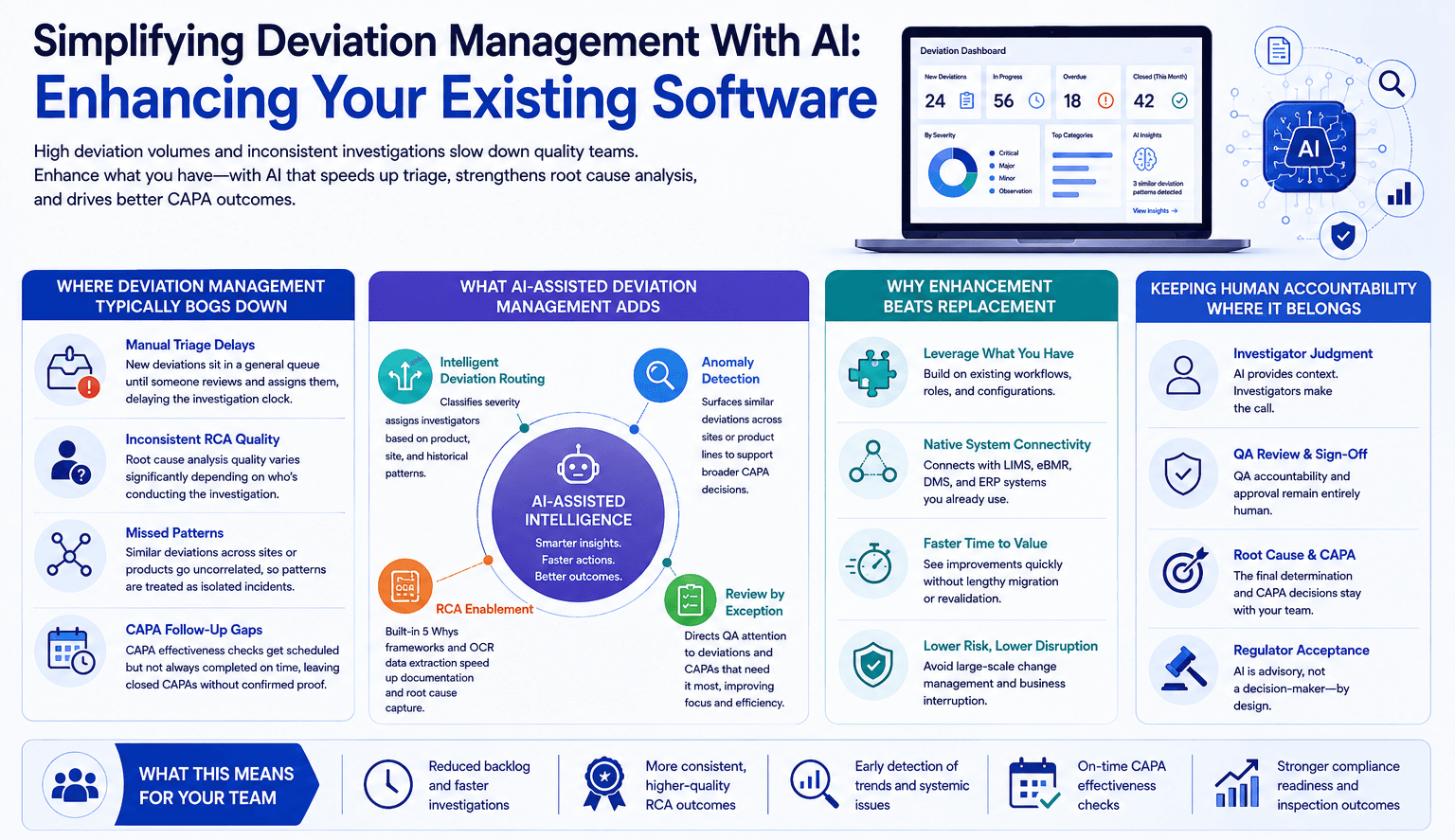
AmpleLogic AI reduces pharma deviation handling time, automates root cause analysis, improves compliance, and speeds up investigations.

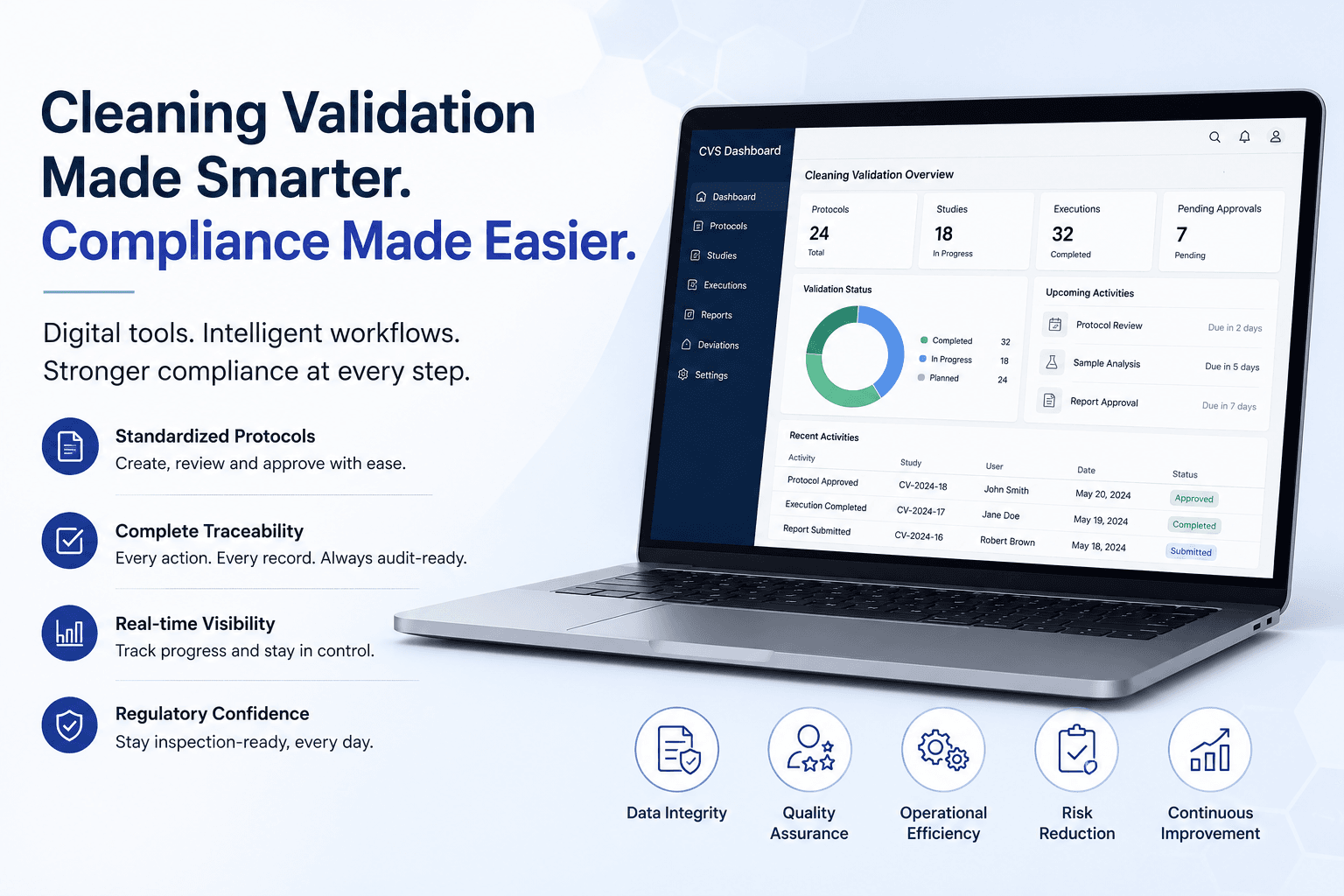
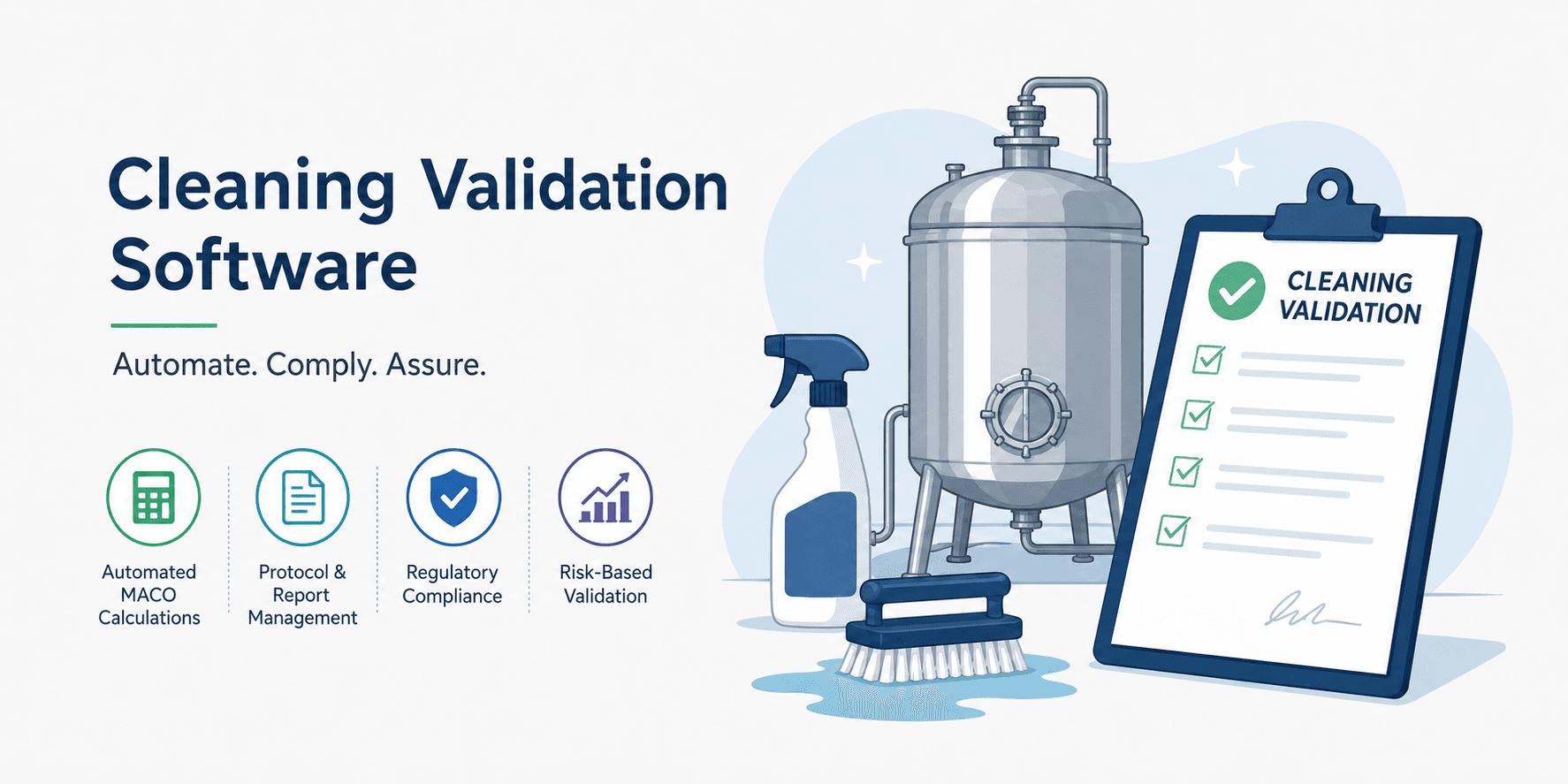
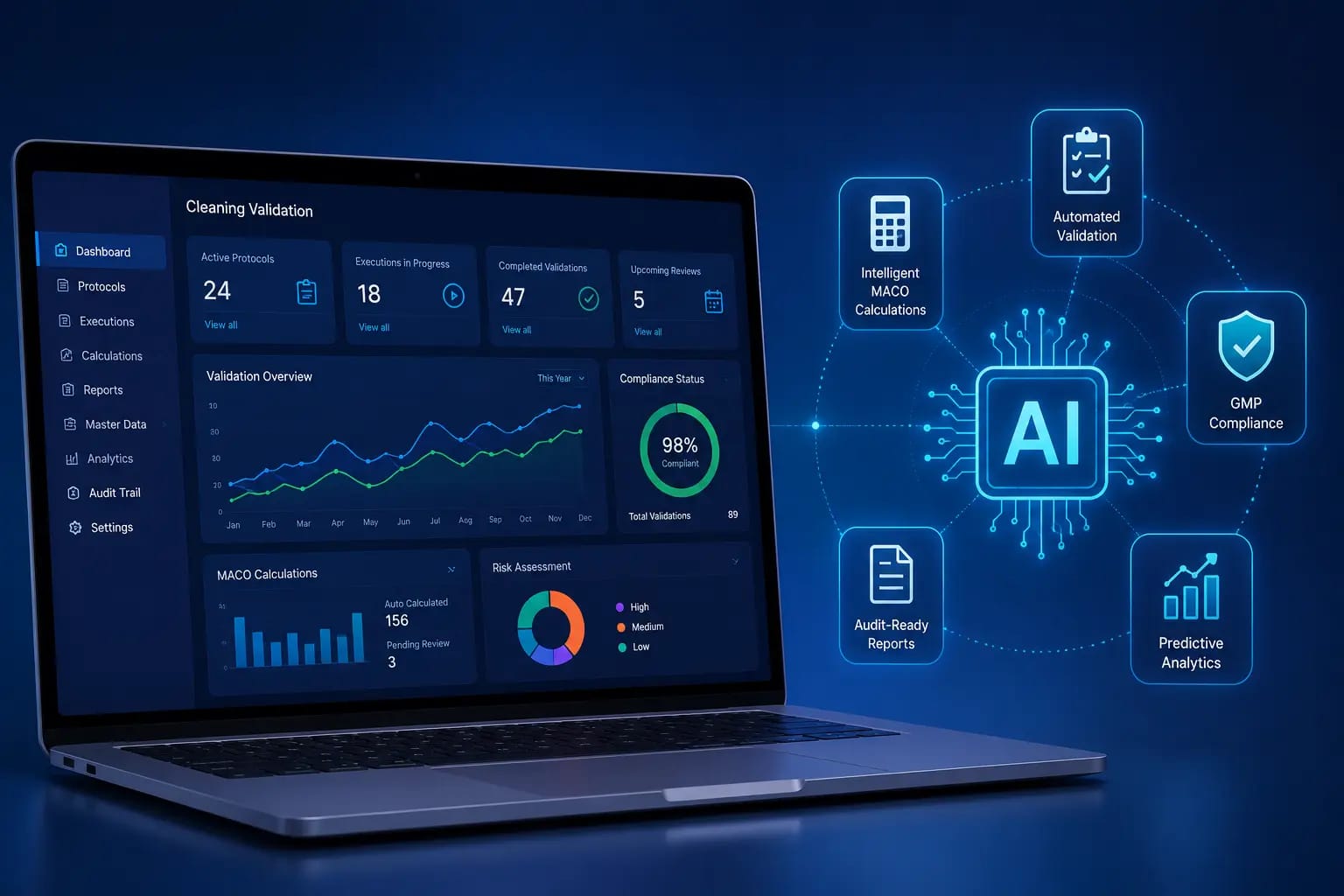
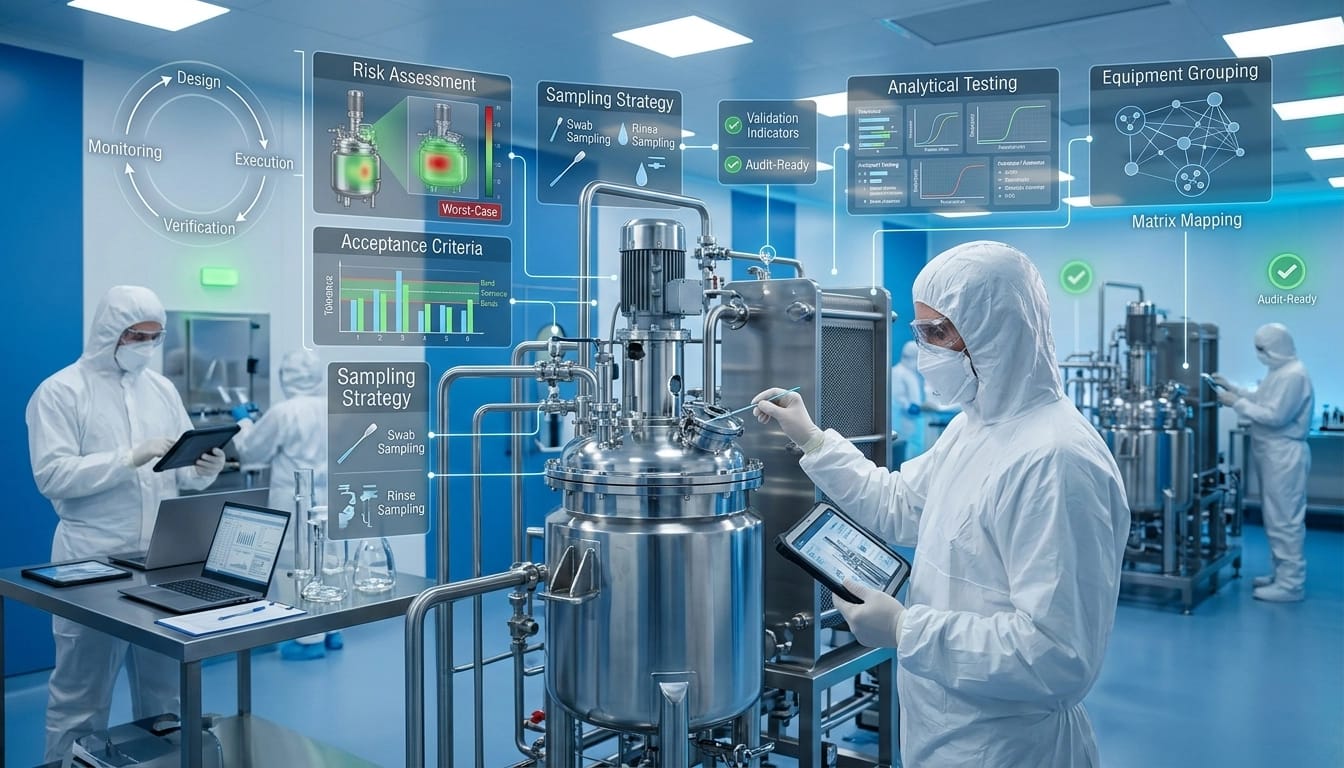
AmpleLogic guide to cleaning validation in pharma ensures GMP compliance, prevents contamination, and improves manufacturing efficiency.


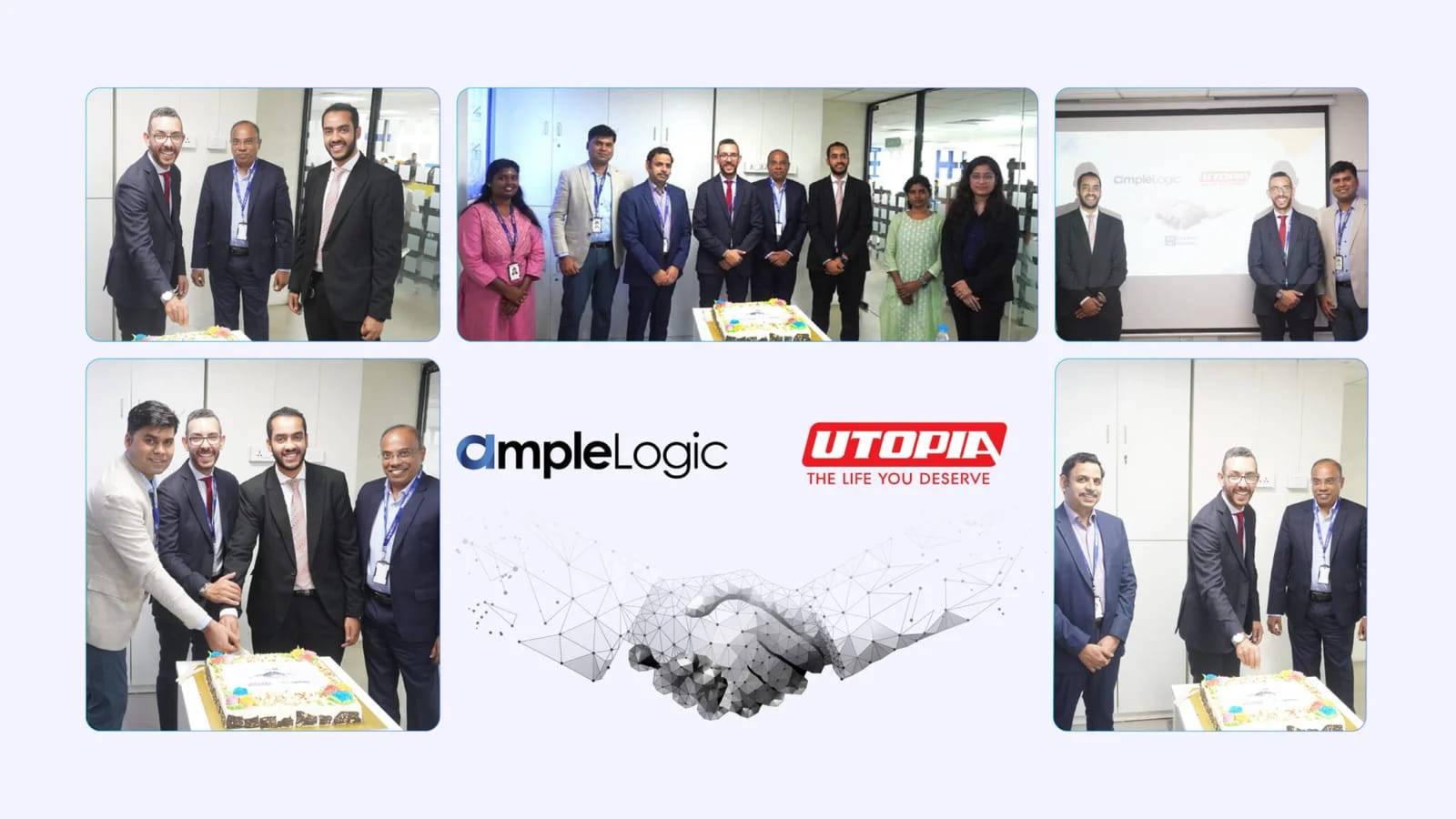
Eisai Pharmaceuticals Successfully Went Live with AmpleLogic Employee Training Management Software

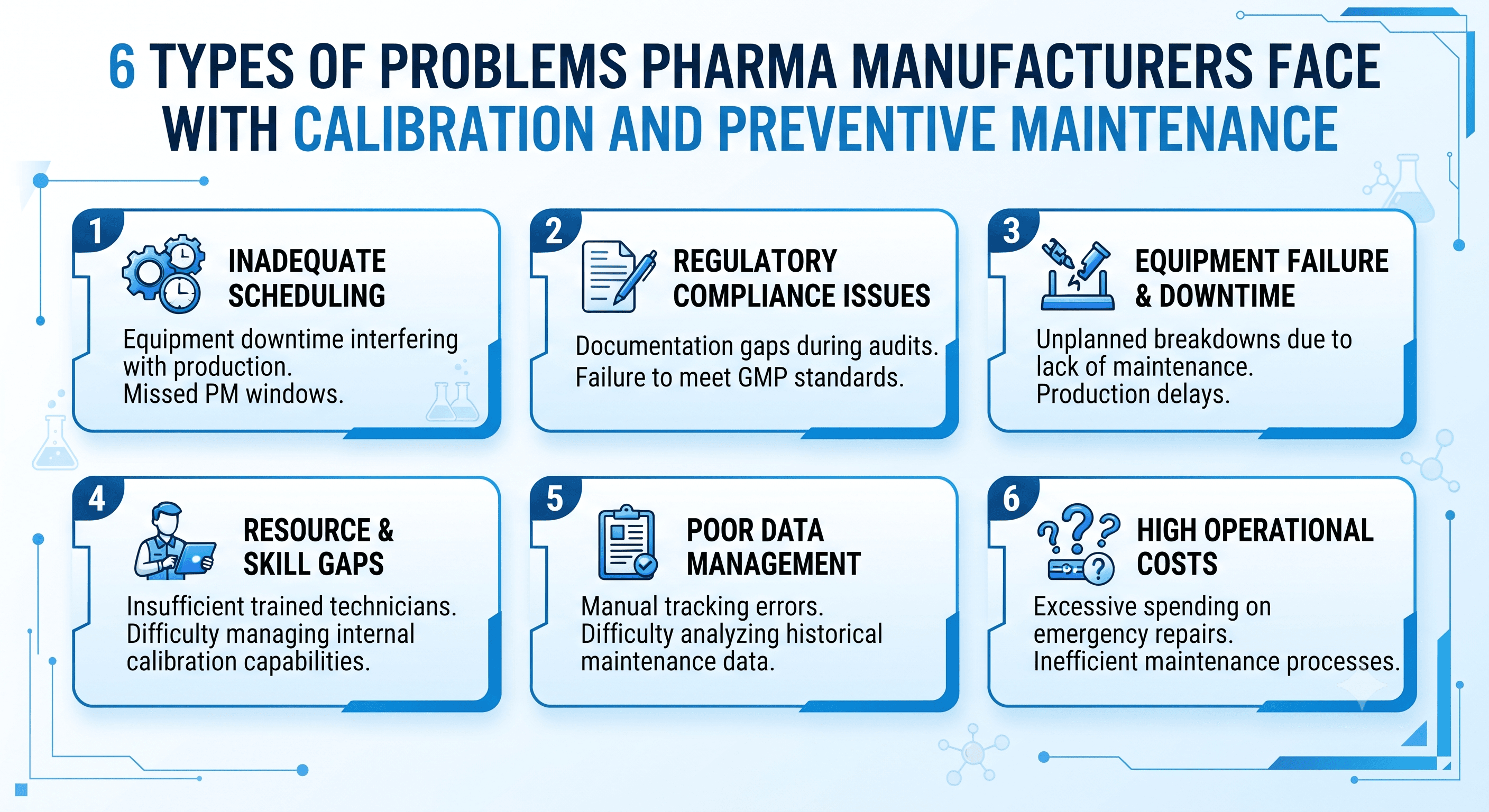
Hetero Labs Limited Goes Live with AmpleLogic Calibration and Preventive Maintenance Software


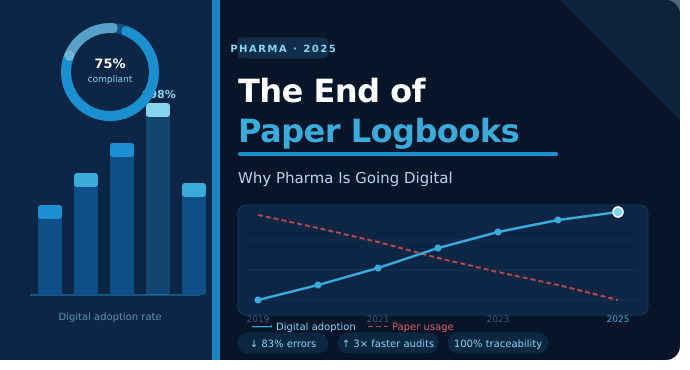
As a pharmaceutical manufacturer, you are likely familiar with the stringent regulatory requirements governing the industry. One critical aspect of compliance is to maintain accurate and up-to-date records and documentation. But have you considered the role of logbooks in your record-keeping system? If not, you may want to start.

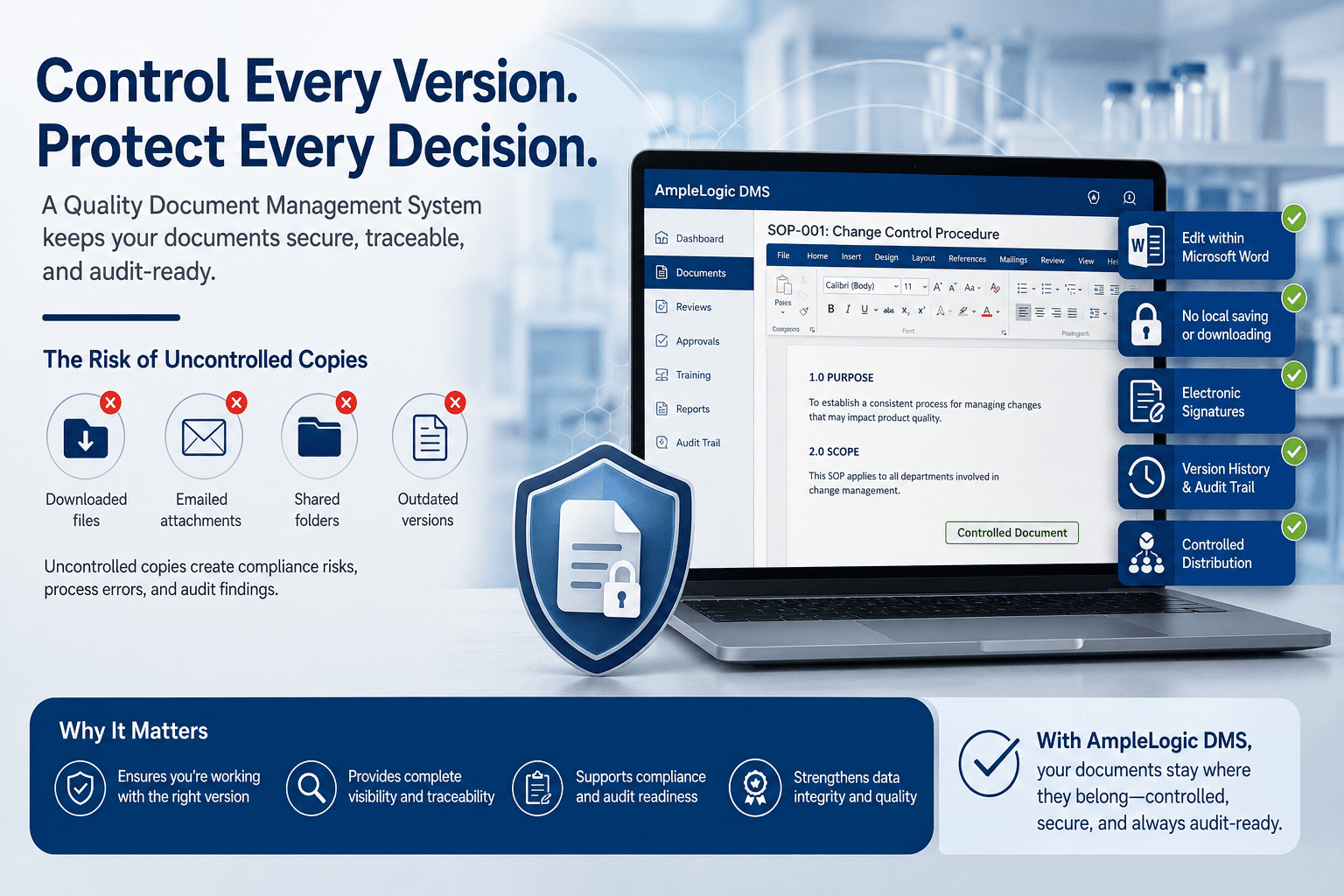
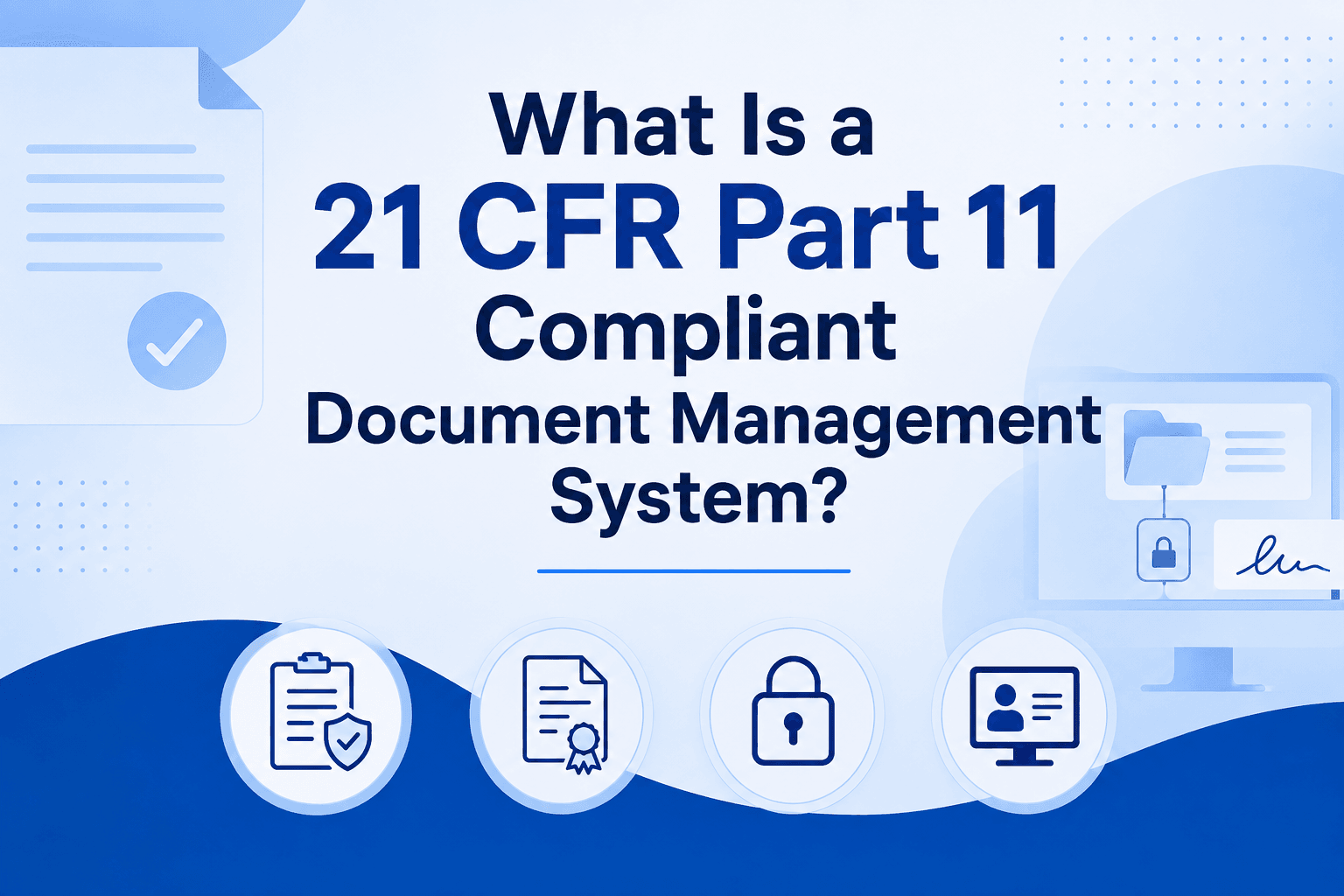
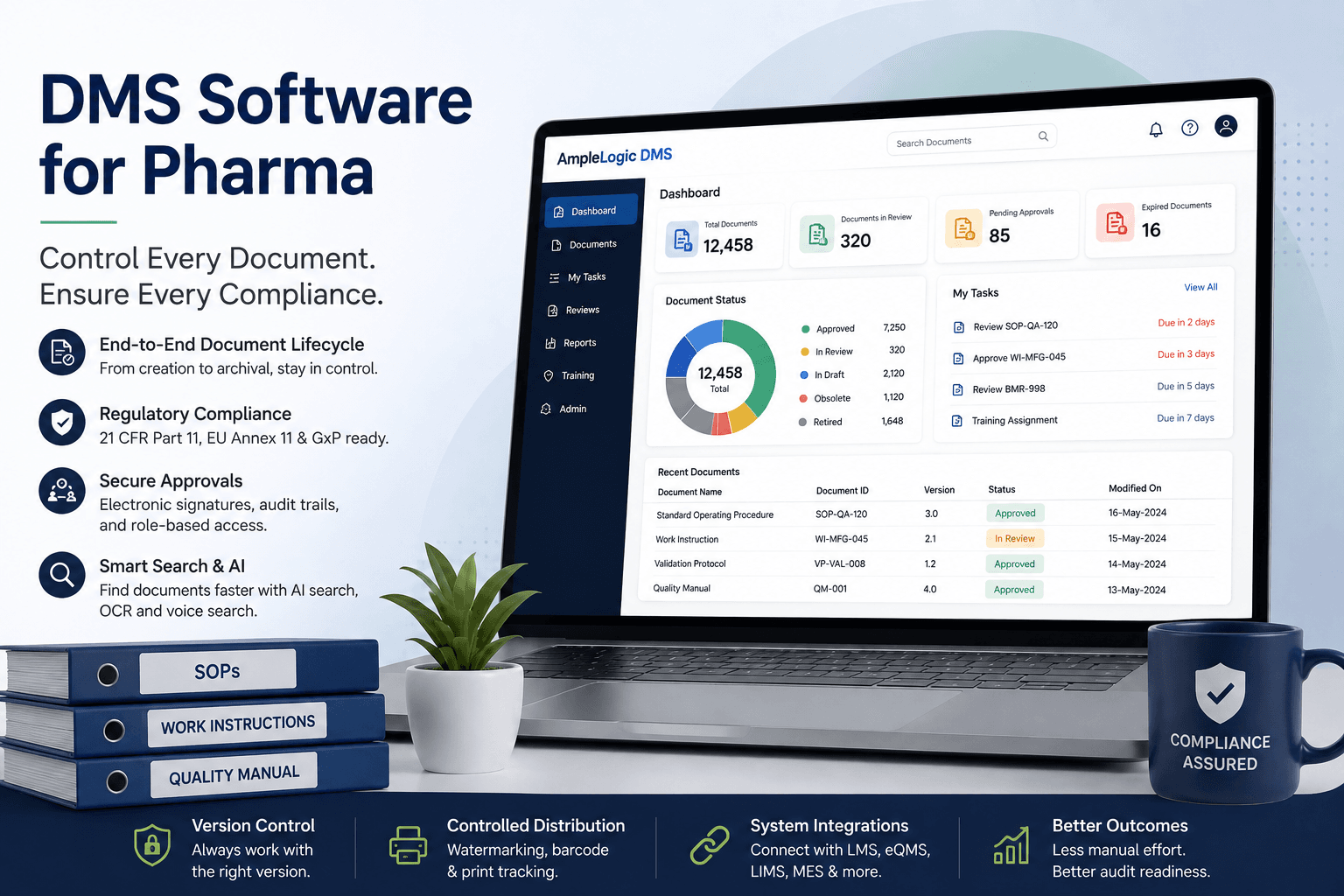
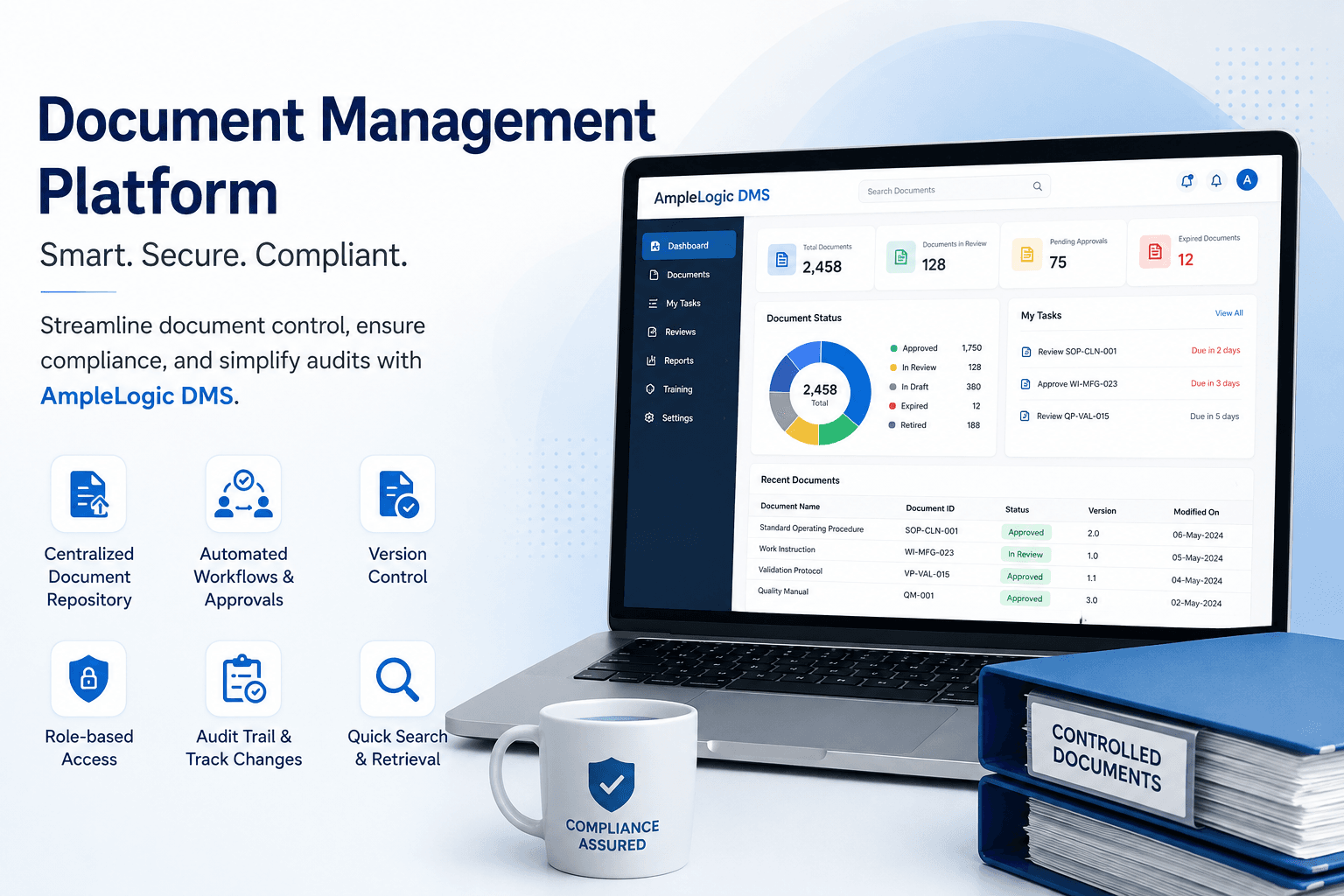
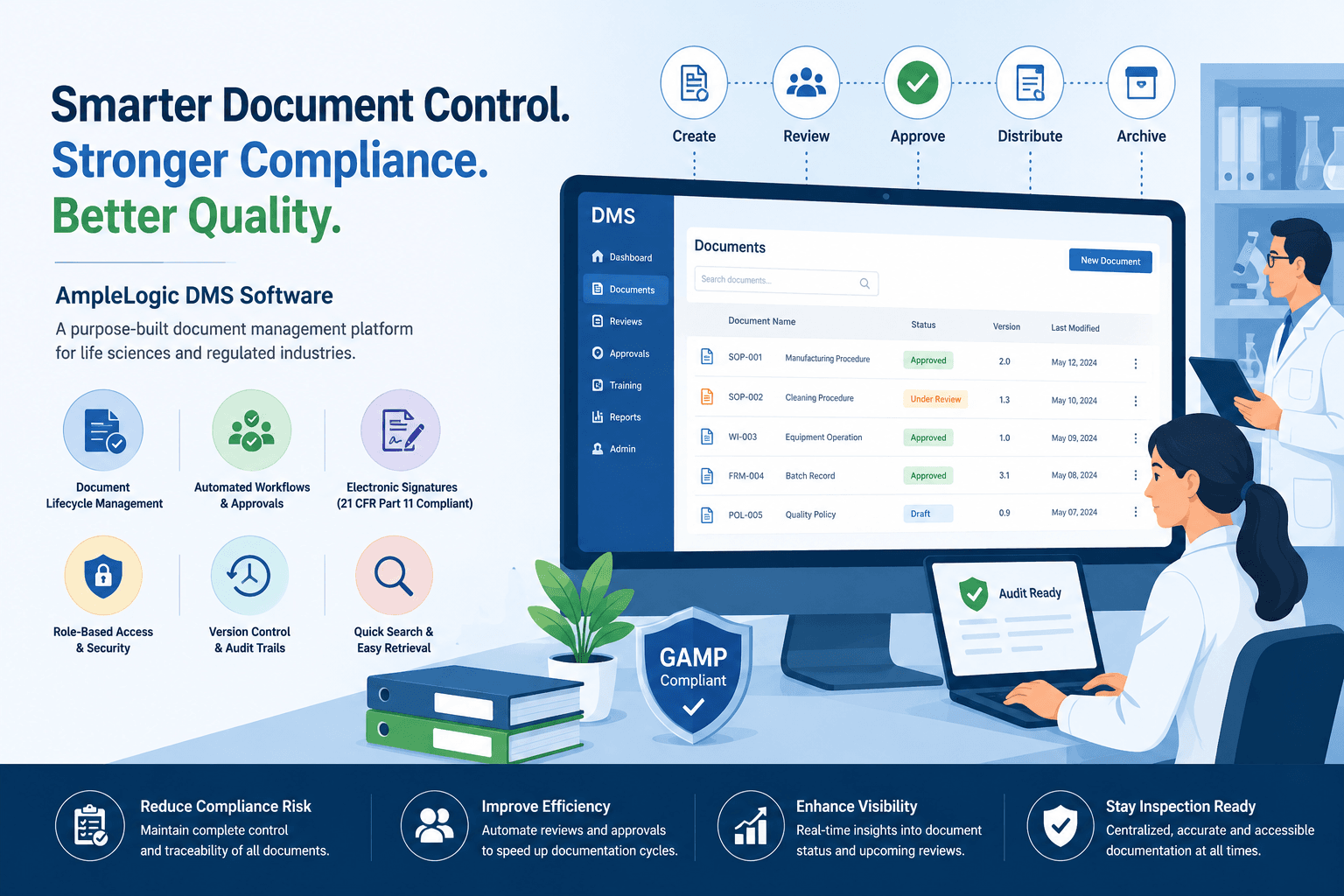
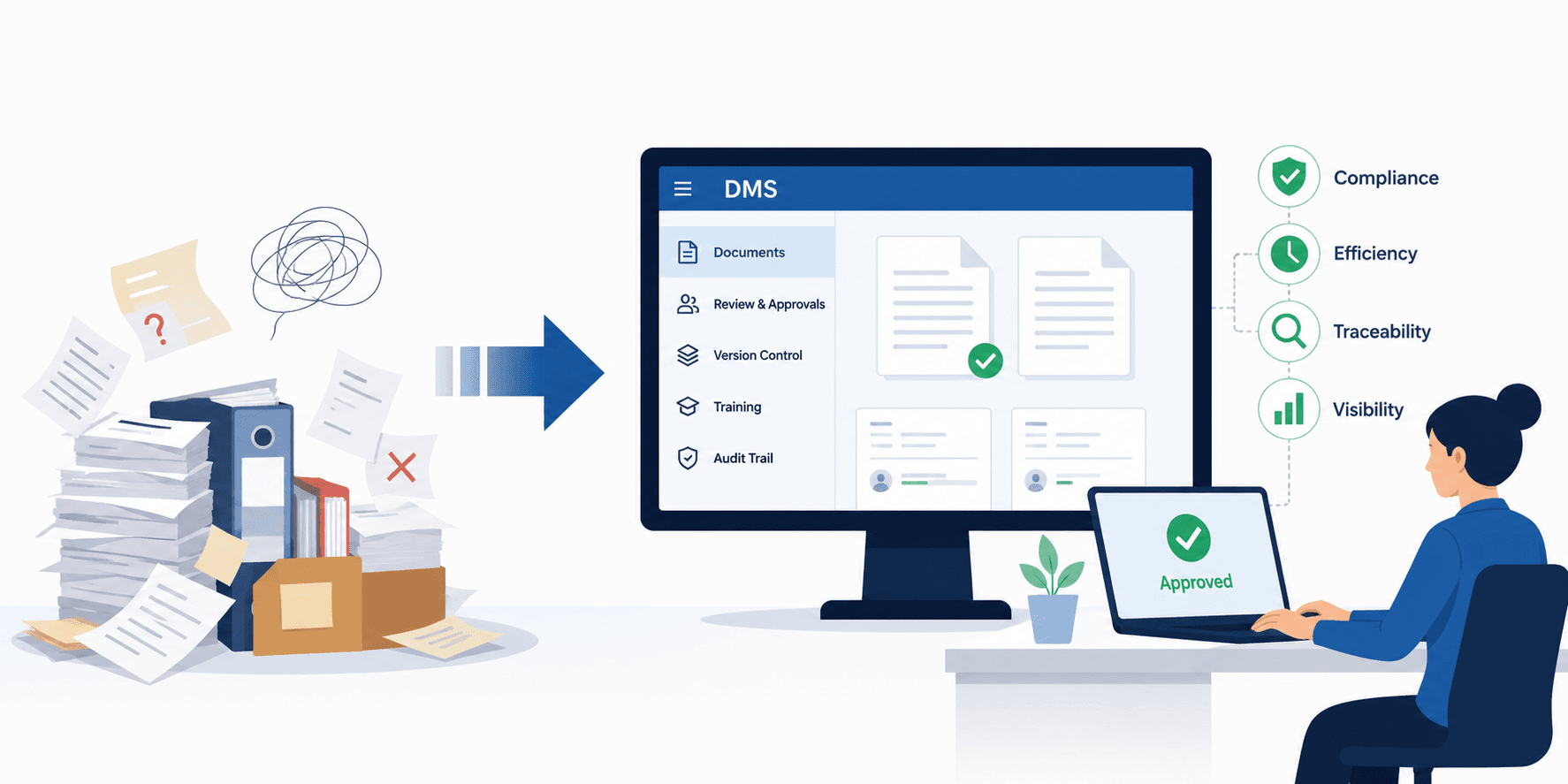
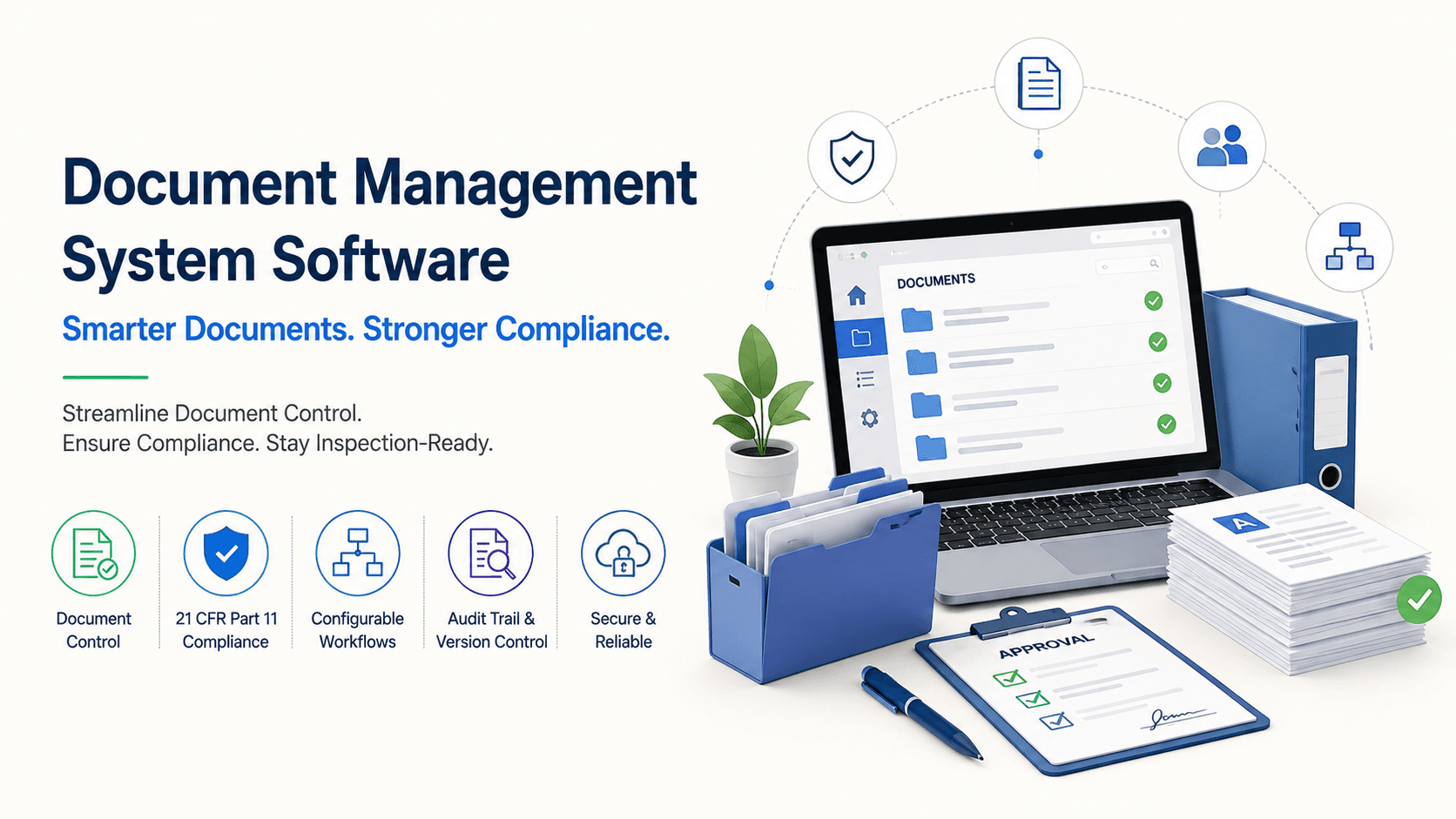
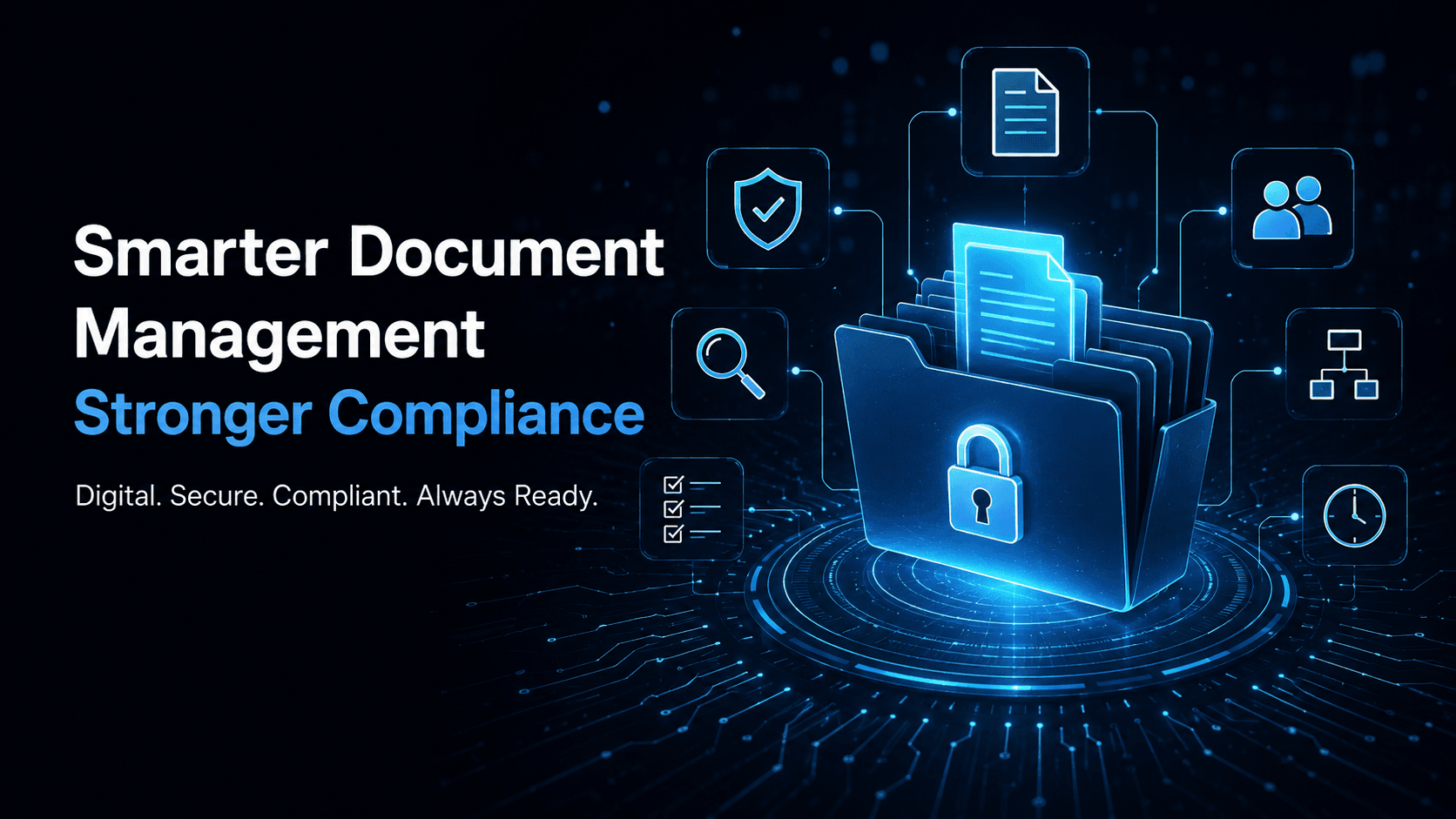
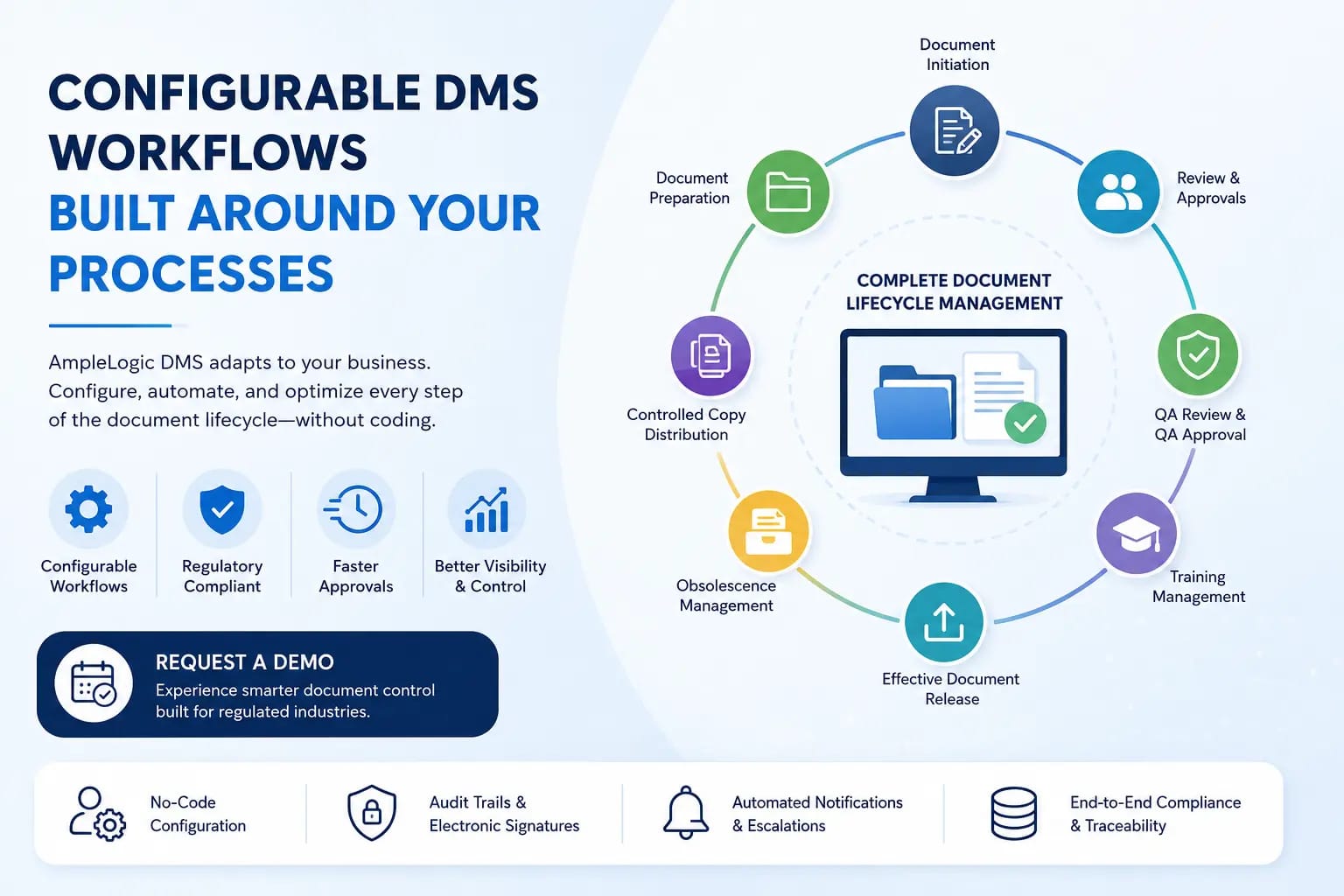
Incorporating digital technologies in the life sciences industry has become a business necessity in recent times. With daily regulatory updates, increasing documentation, and the need for faster audits, pharmaceutical companies are steadily moving away from manual processes. One such shift is toward Document Management Systems (DMS), a tool that’s becoming vital for ensuring compliance, efficiency, and data integrity. While digital innovations have touched every sector, their role in pharma operations and quality assurance is especially transformative. Among the many tools transforming the industry, DMS stands out as an important solution, automating document workflows, reducing dependency on paper, and offering centralized control over crucial documentation.

The growing favor of e-learning through Electronic Learning Management Systems software has gained significant traction across various industries, especially in the pharmaceutical sector. As one of the most vital sectors in Europe and other economies, the pharmaceutical industry has seen rapid growth in recent years. After the pandemic, healthcare and vaccination became top priorities for many countries. However, the urgency extended to other essential medicines in the market as well. In this fast-paced environment, pharmaceutical LMS has become a critical feature for training new personnel and offering certifications to ensure that workers are prepared to handle the increasing demands of the sector. As the pharmaceutical industry continues to expand, the need for a skilled workforce is rising steadily. According to the most recent MarketsandMarkets report:

The term Pharma 4.0 is no longer a concept discussed in conferences; it’s being put to work on the ground in India. Across formulation labs and manufacturing units, pharma companies are steadily upgrading outdated systems, bringing in automation, data visibility, and smarter infrastructure. This shift solves local industry problems: production delays, data integrity lapses, manual dependencies, and growing regulatory scrutiny. As the Indian pharma sector embraces digitalization and advanced technologies, several necessary transformations are underway:


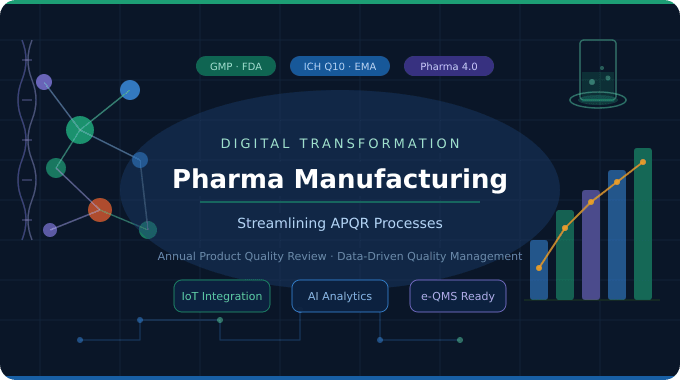
The pharmaceutical industry is on the cusp of a digital revolution. Industry 4.0 technologies are transforming how drugs are manufactured, tested, and distributed globally.

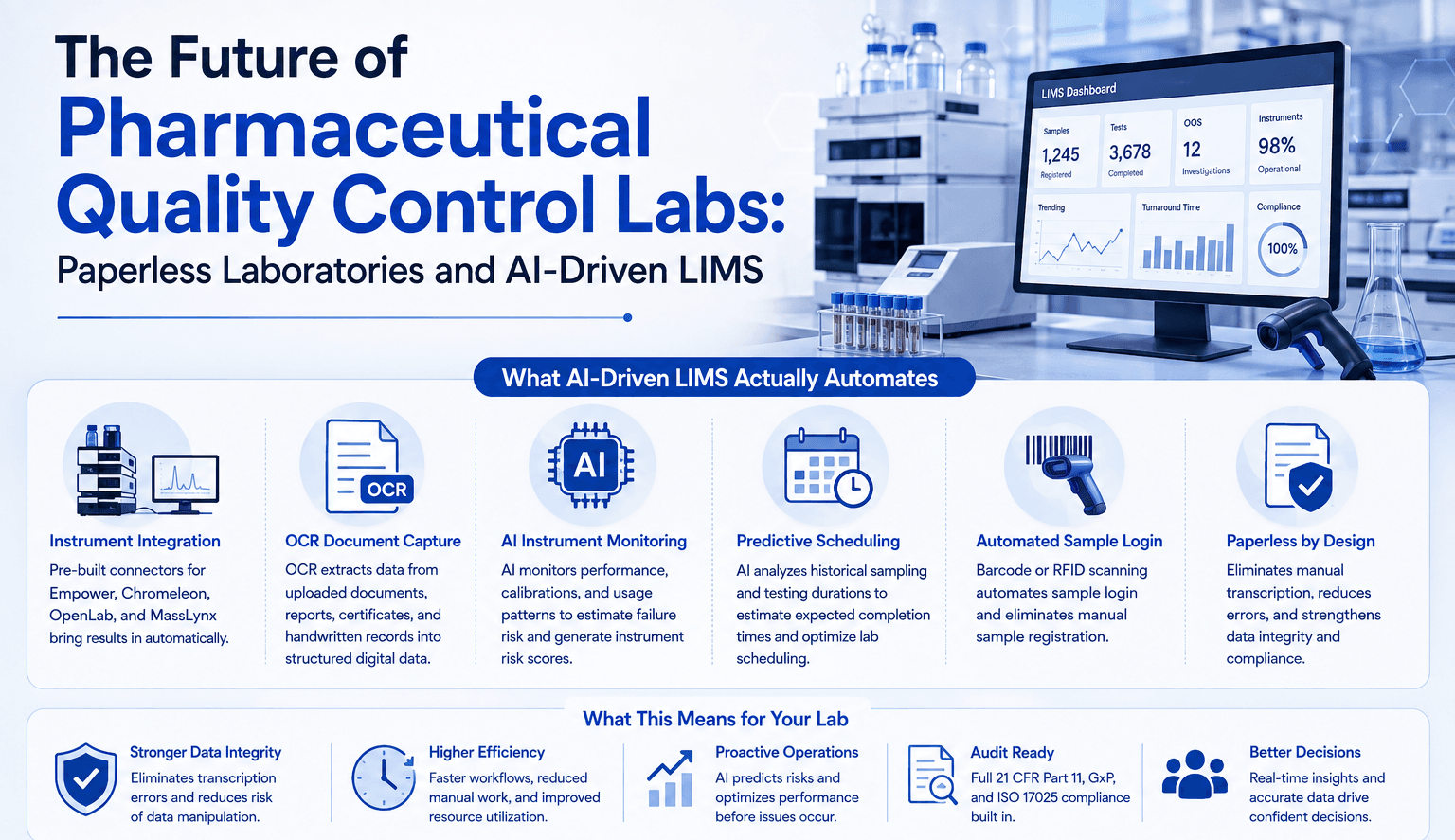
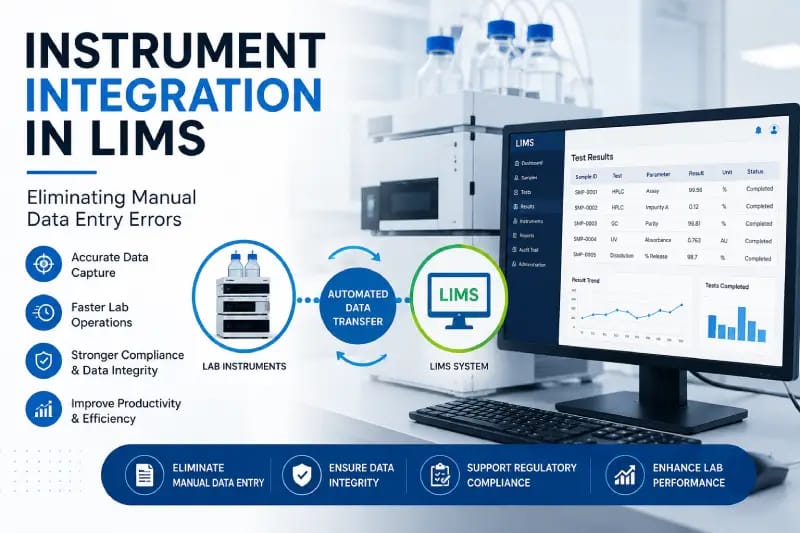
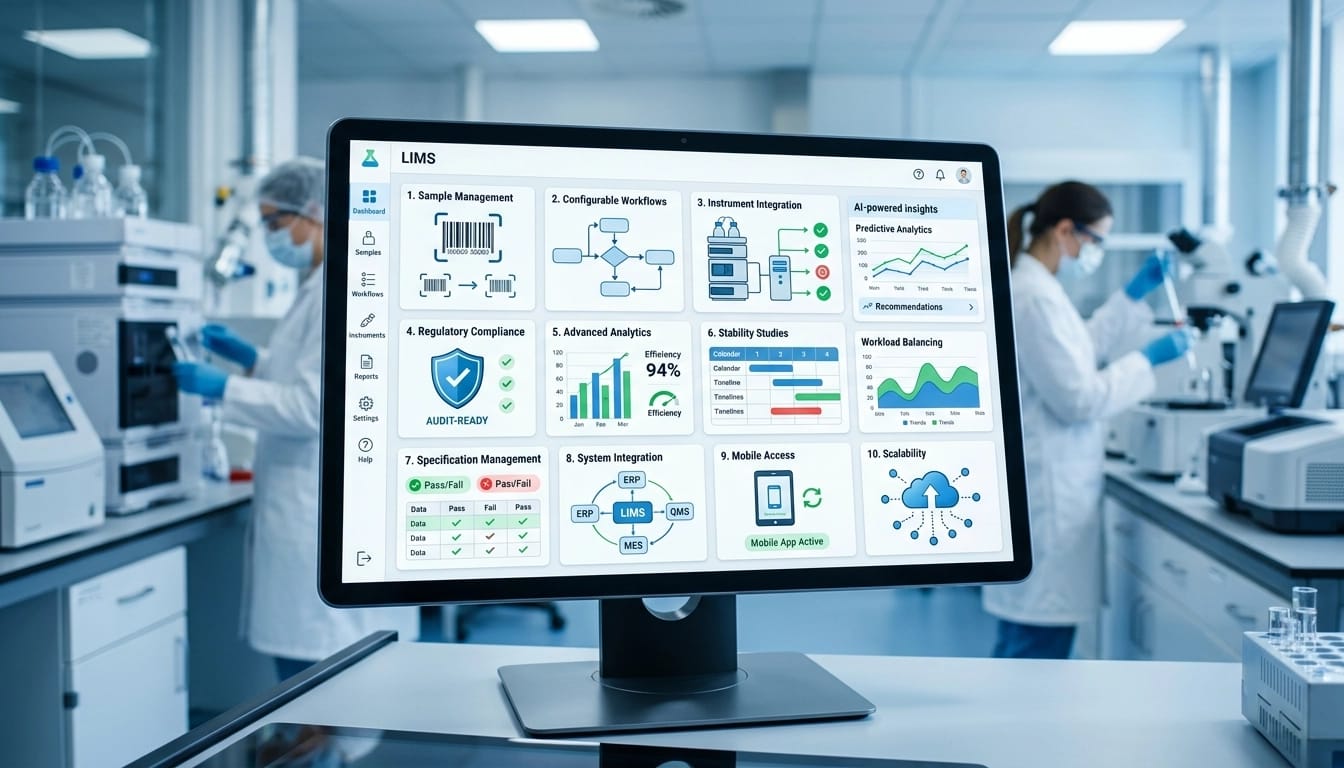
A Laboratory Information Management System (LIMS) is a vital tool for modern pharmaceutical laboratories, streamlining workflows, enhancing compliance, and driving efficiency.

Regulatory compliance in pharmaceutical cleaning validation is non-negotiable. Understanding and implementing the right protocols ensures product safety and manufacturing integrity.

Implementing cleaning validation best practices in pharmaceutical manufacturing is essential for maintaining product quality, preventing cross-contamination, and ensuring GMP compliance.

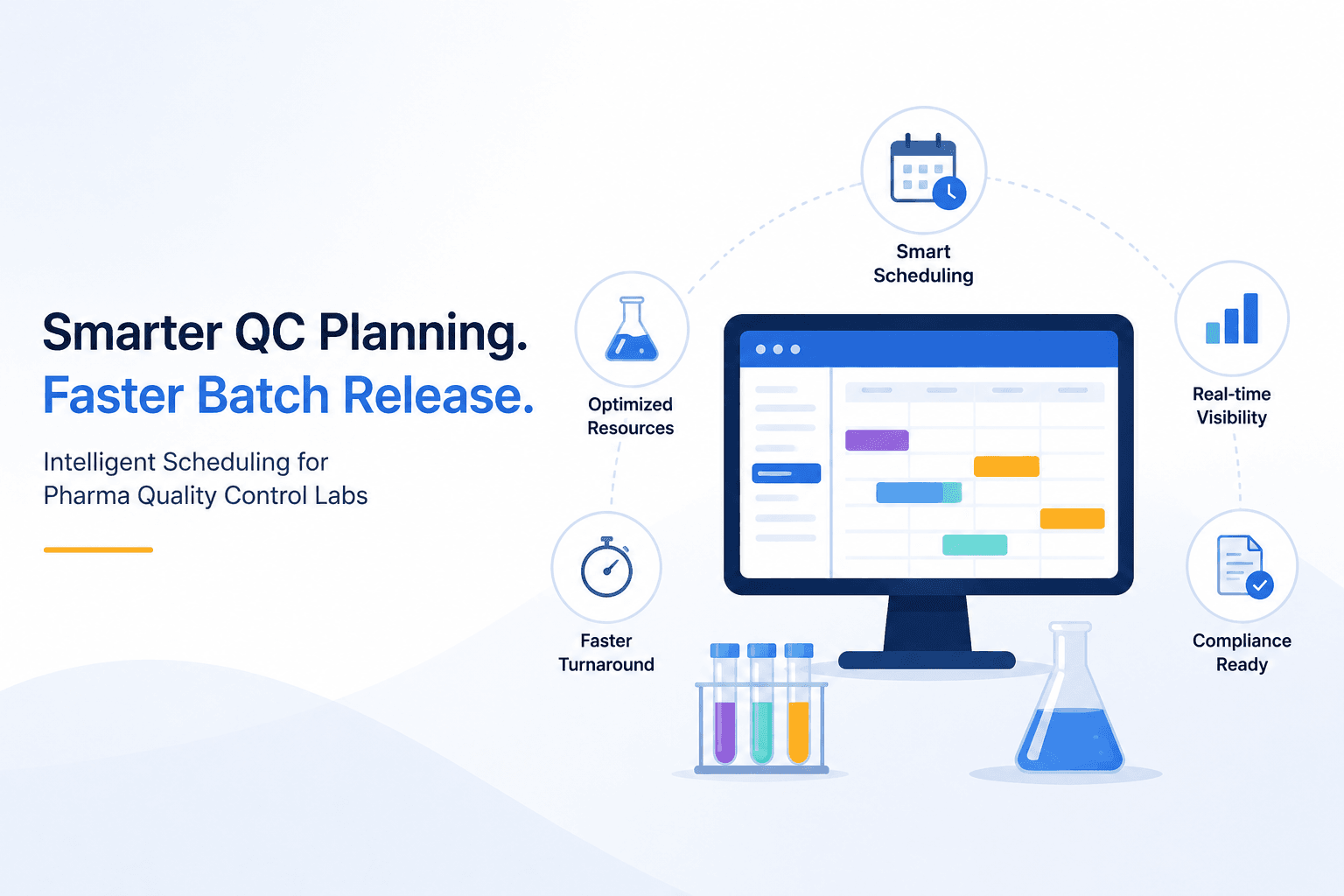
Selecting the right LIMS software is a critical decision for pharmaceutical laboratories. The right system can transform lab operations, enhance compliance, and accelerate time-to-results.

The integration of Artificial Intelligence and Machine Learning into Manufacturing Execution Systems is transforming pharmaceutical production with predictive analytics and real-time optimization.

Long-range planning is a strategic imperative for pharmaceutical companies navigating complex regulatory landscapes, evolving market dynamics, and technological transformation.

The convergence of aPaaS (Application Platform as a Service) with COTS (Commercial Off-The-Shelf) solutions and low-code development is reshaping how pharmaceutical companies build and deploy applications.

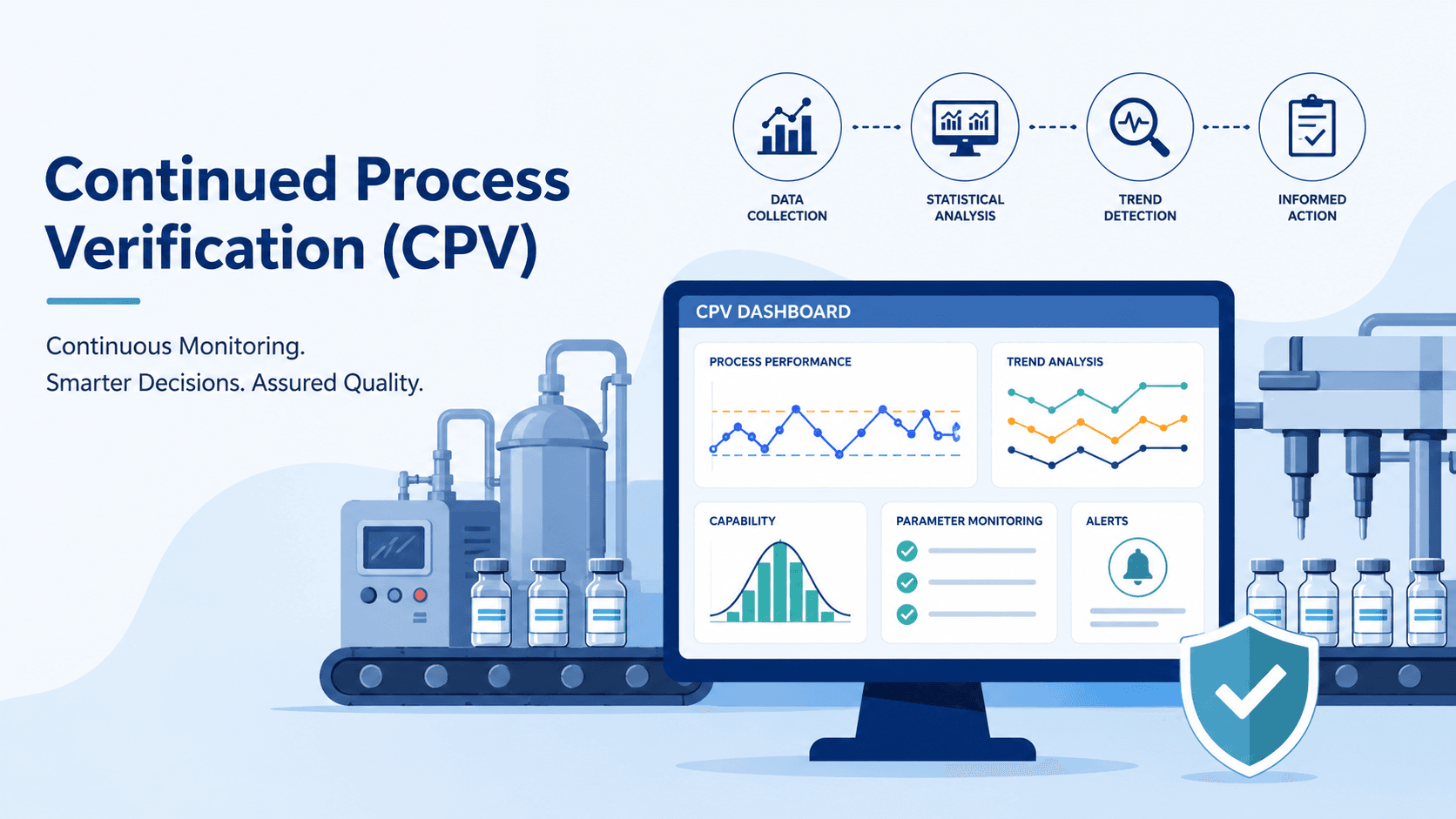
Competition is exceedingly high within the pharmaceutical and biotechnology industry whereby quality standards are thus reprehended. This requires constant supervision and investigation of processes involved.

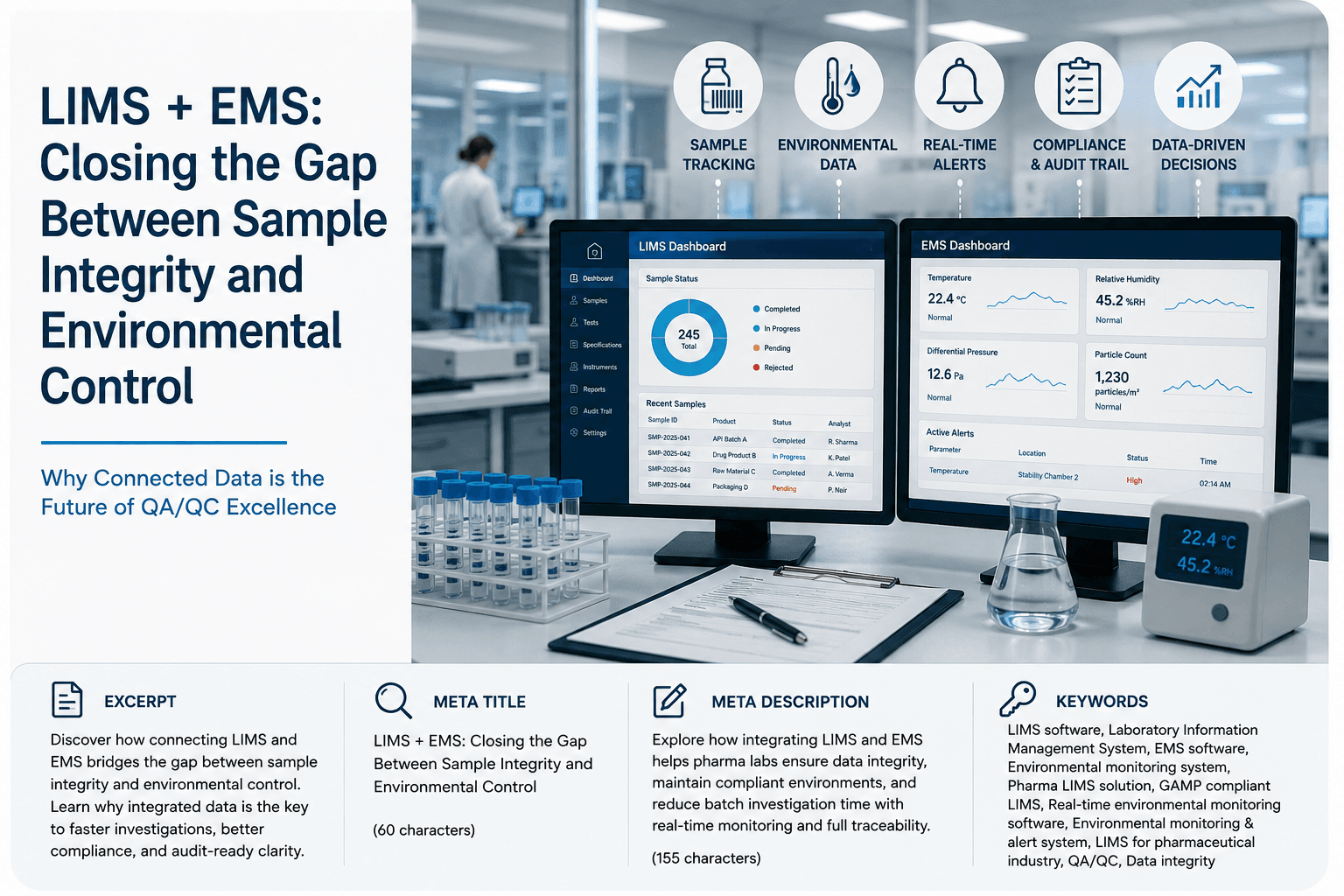
Continuous monitoring of environmental conditions is paramount in the pharmaceutical industry and various other sectors, ensuring adherence to regulatory standards and product quality.

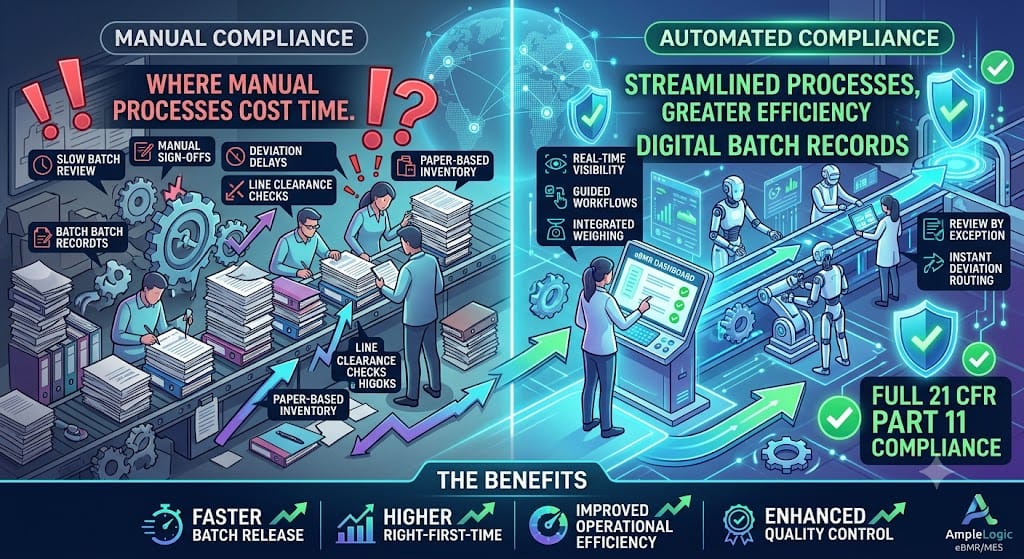
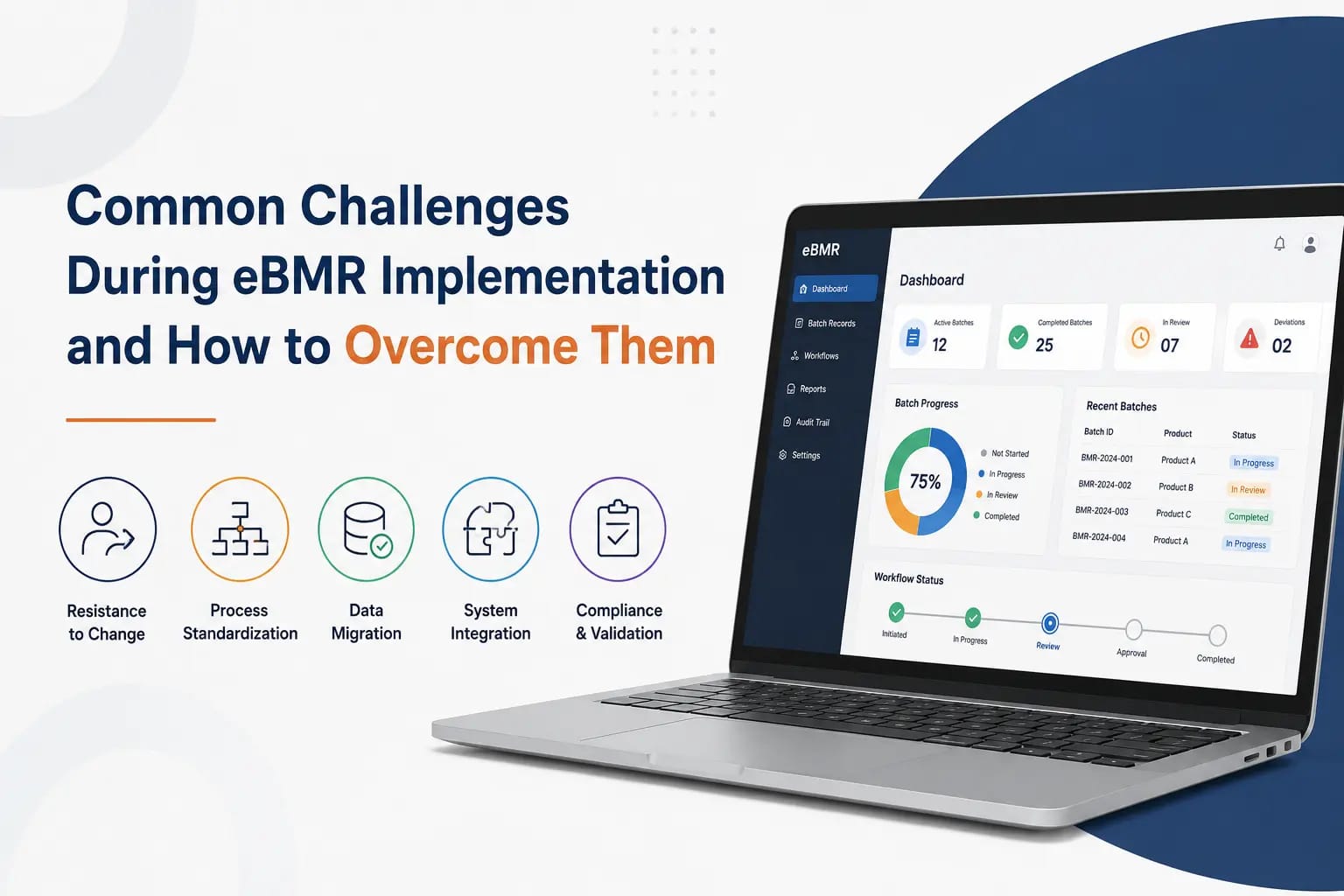
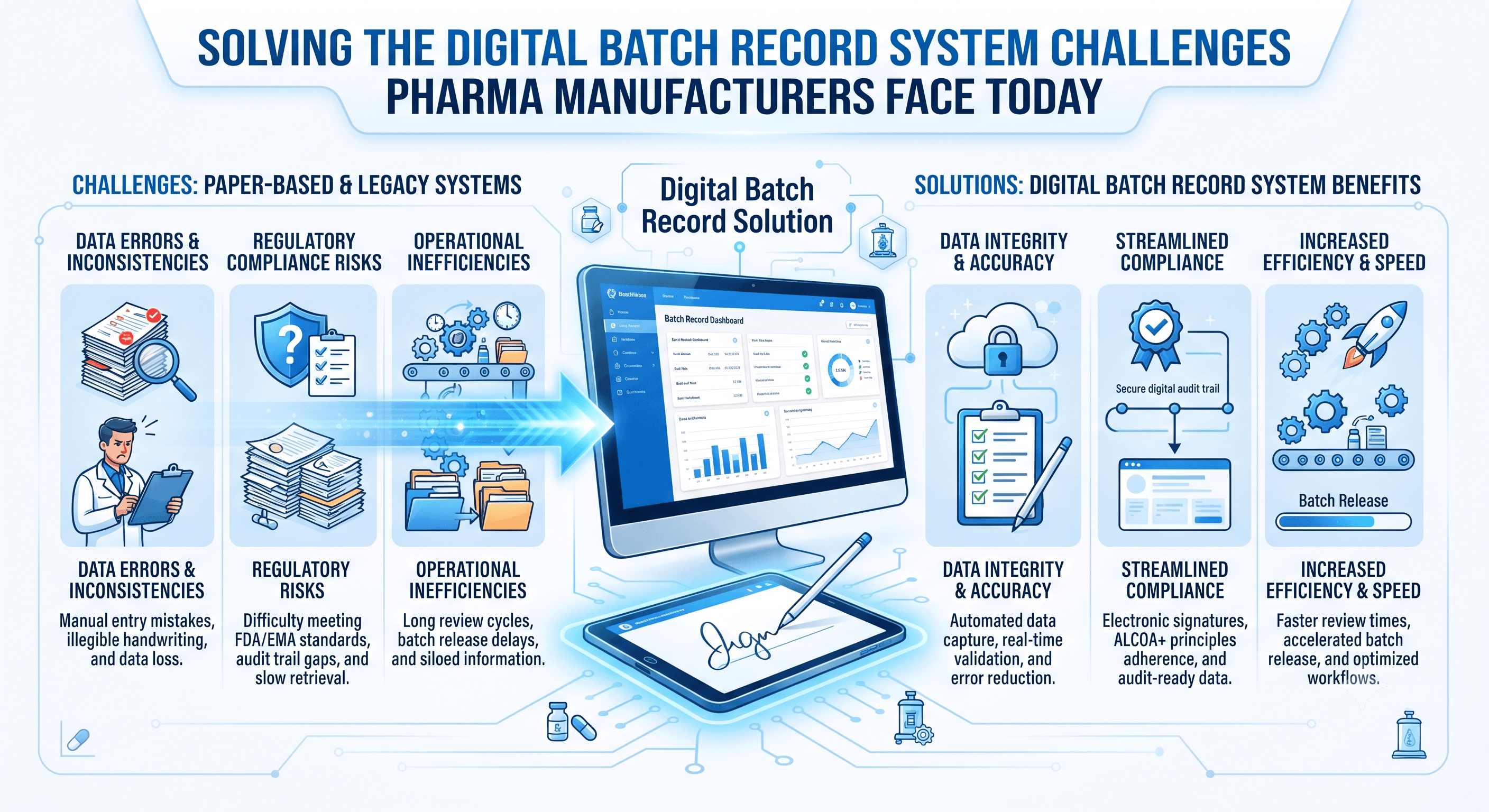
The pharmaceutical industry is increasingly moving towards paperless Batch Manufacturing Records (BMRs) driven by regulatory expectations and the need for enhanced data integrity and compliance.

Cleaning validation in pharmaceutical industry is an essential process outlined by regulatory bodies to maintain product quality and prevent cross contamination.

In today's fast-paced and highly regulated industries, Product Review software has become an indispensable tool. Evolving from basic tracking systems to sophisticated, integrated platforms.

In the pursuit of operational excellence and quality assurance, deviations from established norms are not just expected but anticipated. What truly differentiates successful organizations is how they handle these deviations.
%20Software.webp&w=3840&q=75)
In today's competitive business landscape, maintaining high product quality and continuously improving offerings is essential for success. APR software has emerged as a powerful tool.
In the dynamic and highly regulated world of pharmaceutical manufacturing, integration of advanced technology is essential to excel in key business processes and ensure standard product quality.

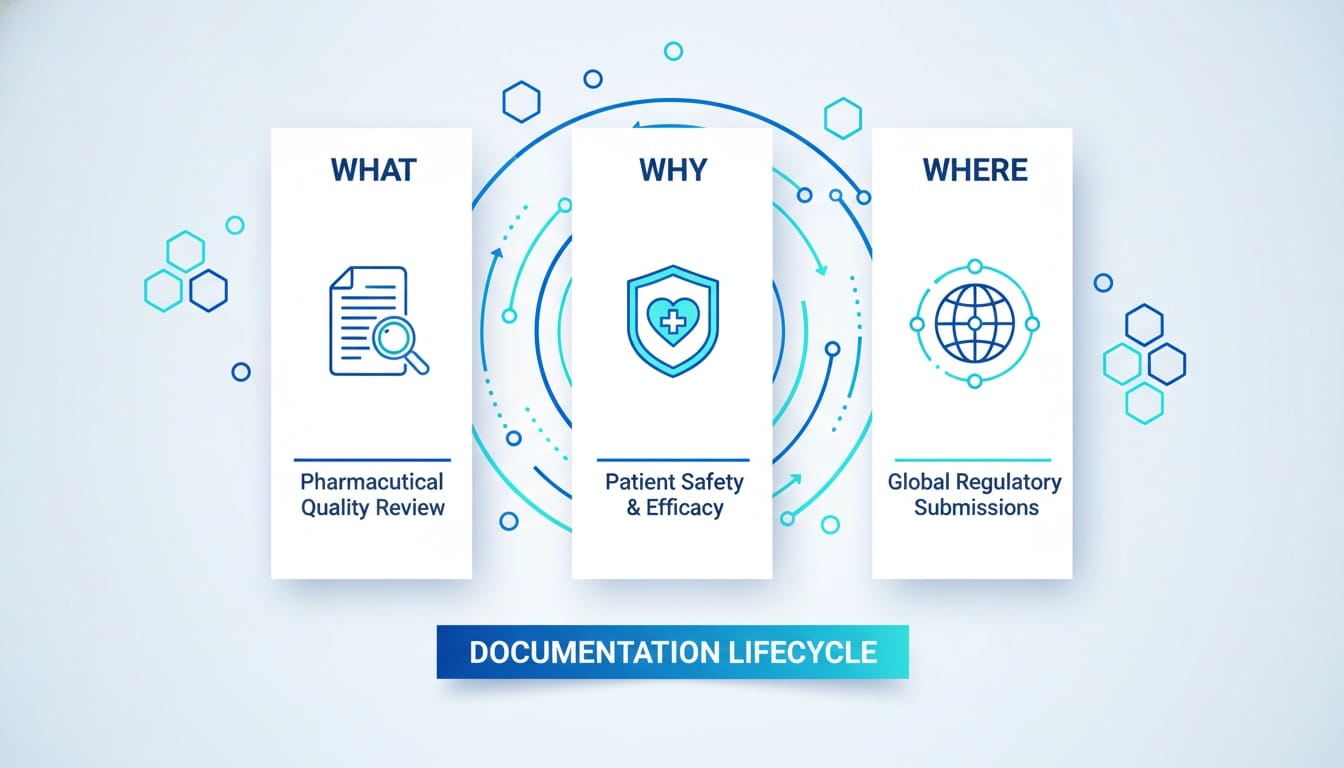
Embarking on an exploration of the essential aspects surrounding Annual Product Quality Review (APQR), this investigation delves into the fundamental questions of What, Why, and Where.

In the pharmaceutical industry, validation of Batch Manufacturing Records (BMR) is critical to ensure product quality, safety, and regulatory compliance. Traditionally, this validation has been a manual process.

In the rapidly evolving landscape of pharmaceuticals, the efficient management of assets is paramount. From research laboratories to manufacturing facilities and distribution networks.

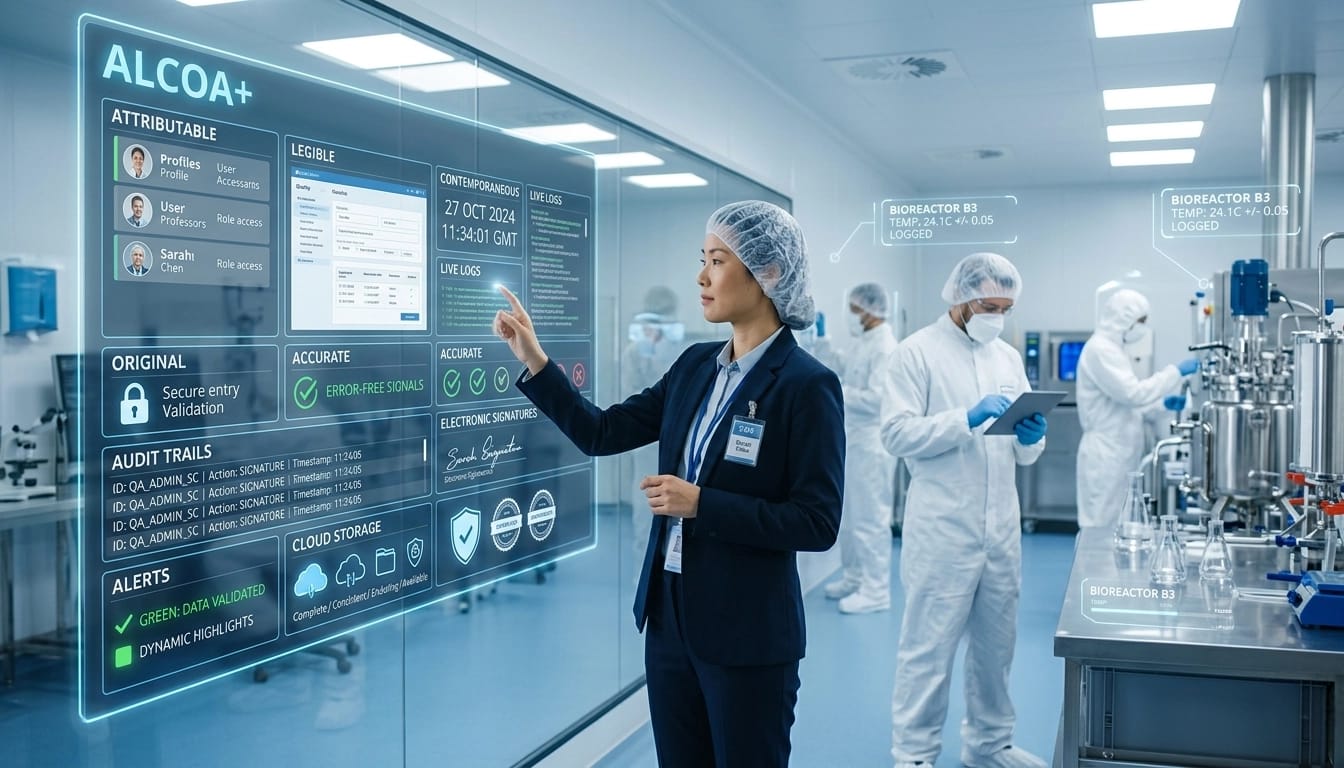
In the pharmaceutical industry, the integrity of data is paramount. The ALCOA principles—Attributable, Legible, Contemporaneous, Original, and Accurate—were established to ensure data integrity in manufacturing.

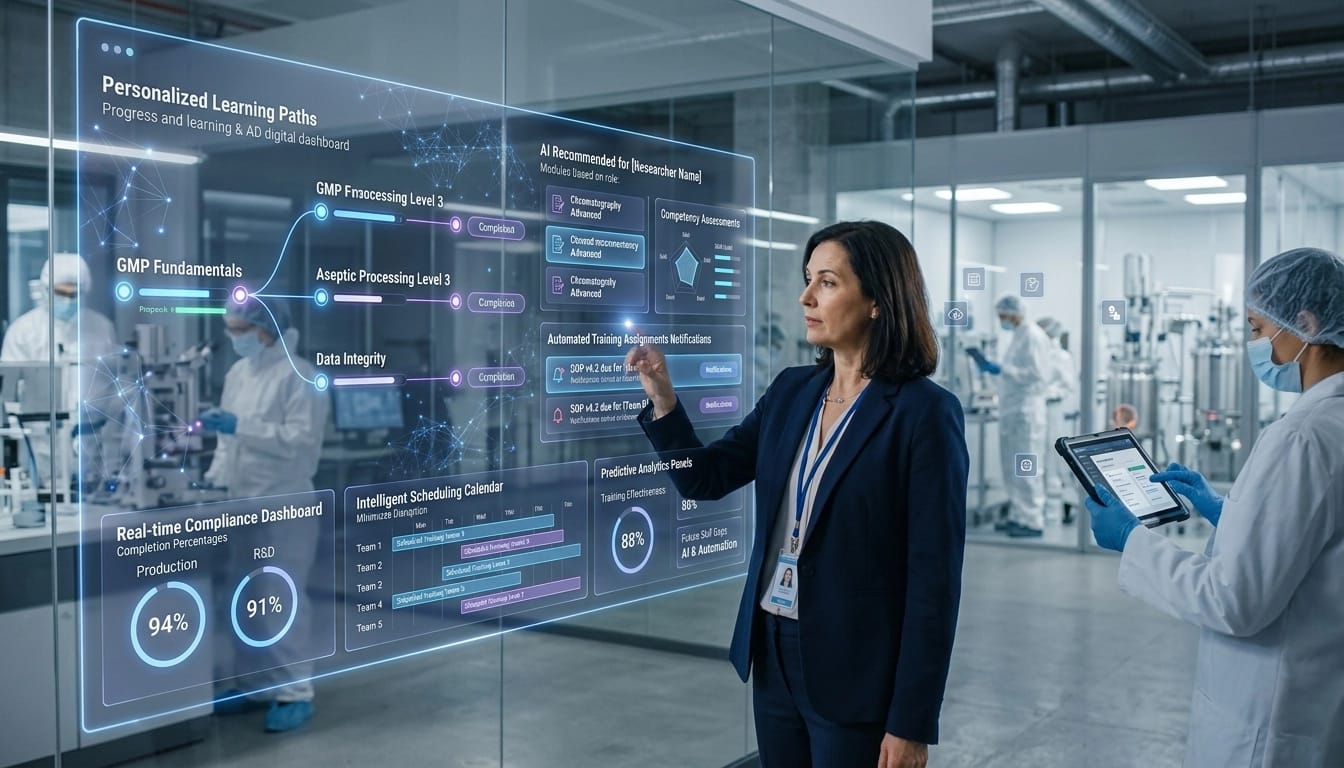
Learning Management Systems (LMS) are increasingly vital in the pharmaceutical industry, providing a structured and efficient way to manage training, compliance, and professional development.
-in-Equipment.webp&w=3840&q=75)
Efficiency and precision are quintessential aspects in the life sciences and pharmaceutical industries. They help companies attain business process excellence departing from traditional manual processes.

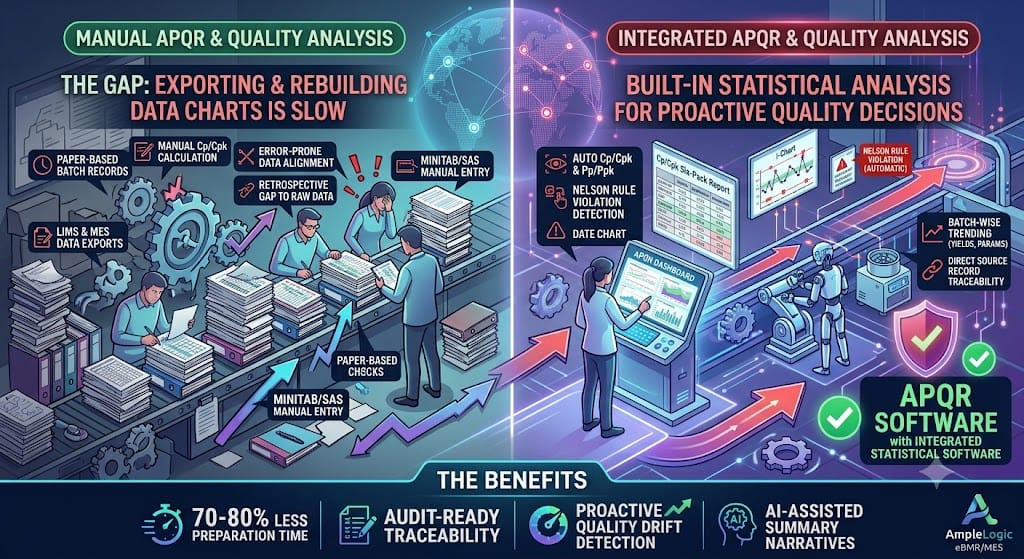
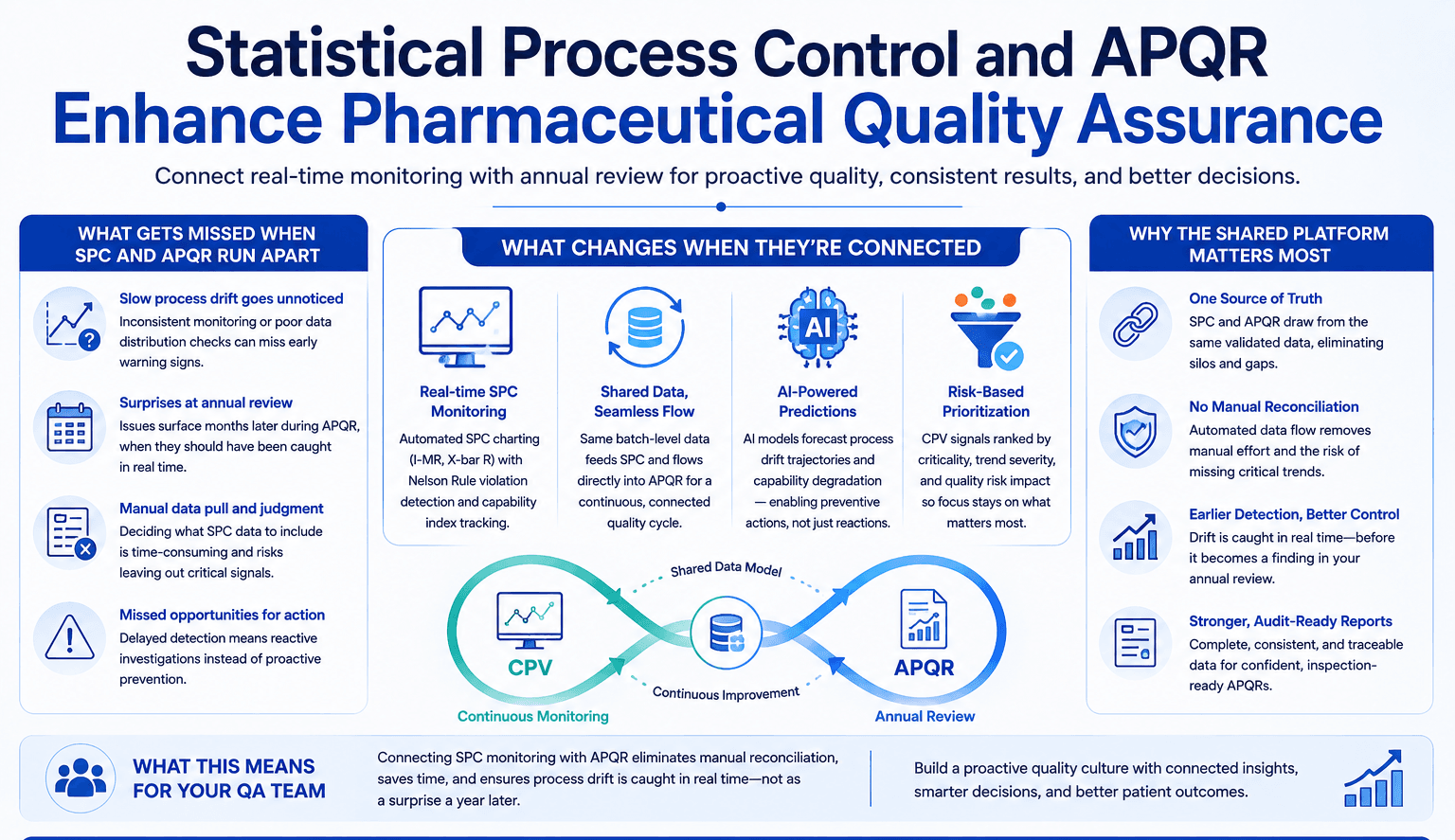
The Annual Product Quality Review (APQR) is a critical process for pharmaceutical companies to evaluate the quality standards of their products, ensure regulatory compliance, and drive continuous improvement.

Change control is a critical process in regulated industries, such as pharmaceuticals, medical devices, and food and beverages. It involves managing changes to products, processes, and systems.

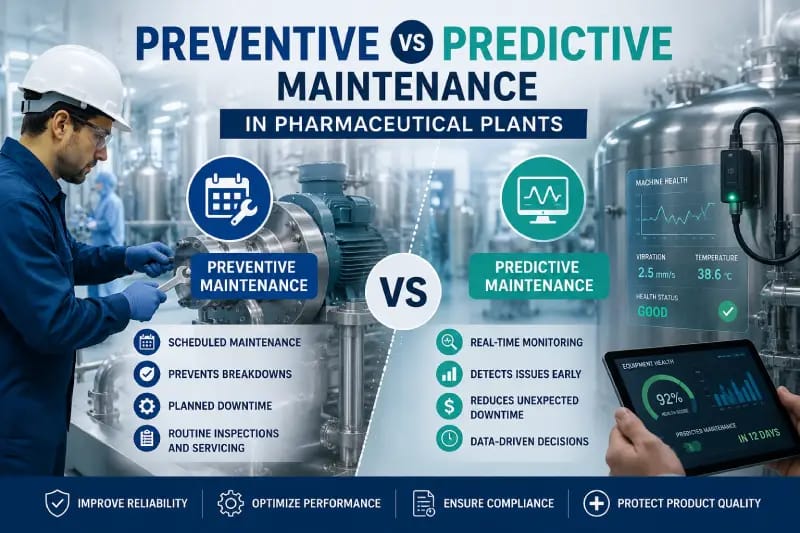
Equipment maintenance is a crucial aspect of ensuring the efficiency and productivity of pharmaceutical production and manufacturing departments. Equipment maintenance software has revolutionized the field.
In the intricate world of pharmaceutical manufacturing, where precision, compliance, and efficiency are key assets, businesses seek innovative solutions to navigate the complexities.

In the intricate and ever-evolving landscape of modern industry, where the quest for operational excellence is both a strategic imperative and a cornerstone of sustained success.

In the pharmaceutical industry, maintaining data integrity is crucial to ensure product quality, patient safety, and regulatory compliance. Data integrity refers to the accuracy and consistency of data.
-Software-in-Deviation-Handling.webp&w=3840&q=75)
Efficiency, accuracy, and compliance are essential components in the pharmaceutical manufacturing industry. Any deviation from standard operating procedures can compromise product quality.

Root Cause Analysis (RCA) is a method used to address a problem or non-conformance in the quality process to get to the "root cause" of the non-conformity. RCA helps to correct or eliminate the cause and prevent the problem from recurring through preventive action.

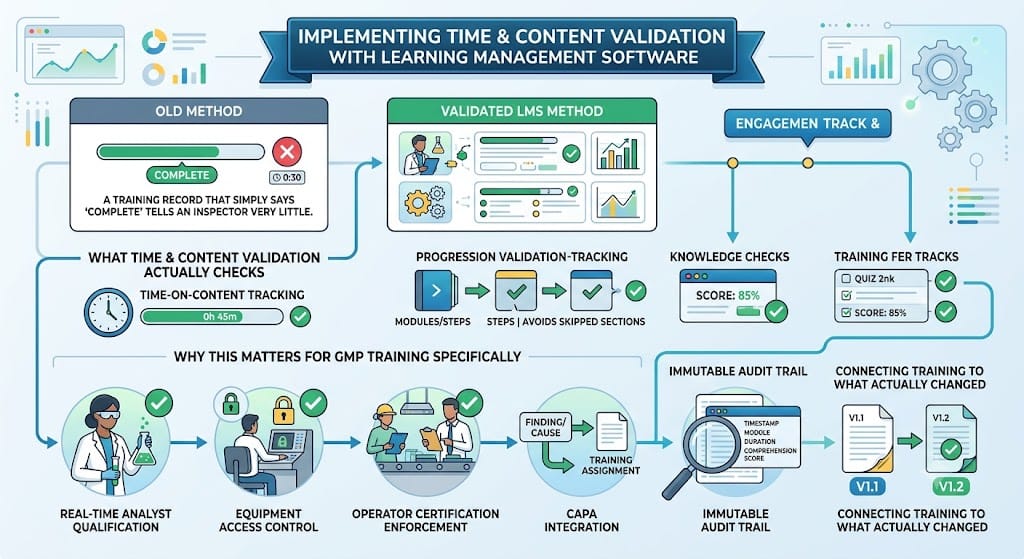
A pharmaceutical Training Management System (TMS) streamlines GMP compliance training, competency tracking, and regulatory audit readiness. Discover how a modern LMS reduces training costs by up to 50%, accelerates employee qualification, and ensures 21 CFR Part 11 compliance across global operations.

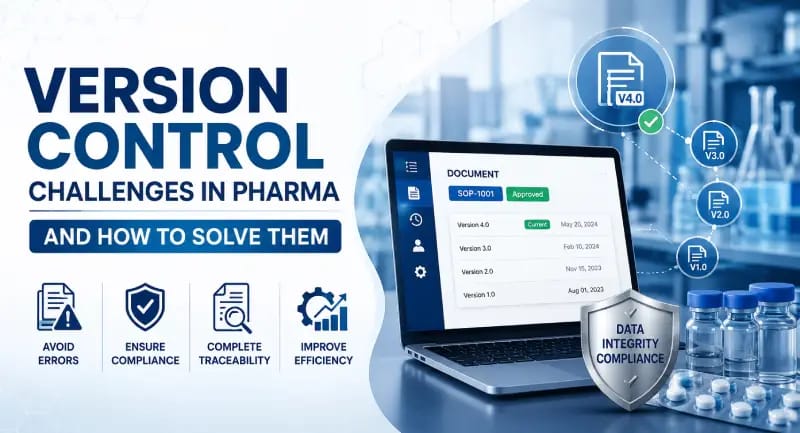
The Electronic Document Management System (eDMS) has fundamentally changed how pharmaceutical and life sciences companies handle documentation. Yet despite FDA 21 CFR Part 11 validation and clear compliance benefits, many organizations still hesitate to fully embrace this digital transformation.

A long list of data integrity warnings received by pharma companies has made them train their focus on building and fortifying their tracking mechanisms. One of the solutions is digitization — but the current challenge is that digital transformation is going slower than expected.
Stay updated with the latest trends in pharma manufacturing, compliance, and digital transformation.
Get the latest product updates, compliance news, and industry insights delivered to your inbox.